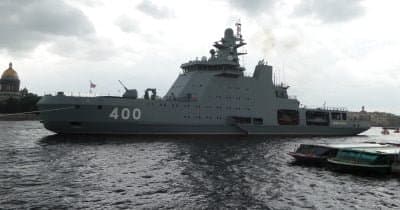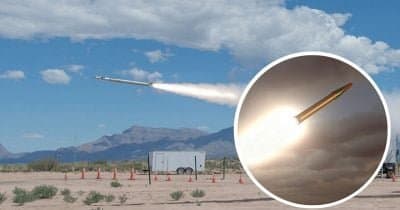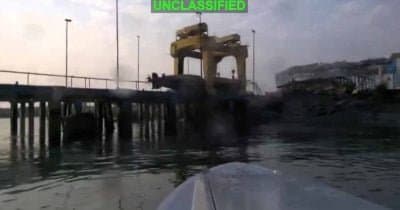
The United States has launched a historic sea drone strike on Iran's Bandar Abbas Naval Base, marking a substantial shift in military tactics in the ongoing conflict with Iran. This operation, reported by the New York Post, specifically targeted facilities critical for submarine and ship maintenance. It represents the first time US sea drones have been used in combat, signaling a new approach to undermining Iran's military logistics rather than directly attacking its frontline assets.
Implications for Regional Stability
The deployment of these autonomous maritime drones not only escalates tensions but also alters the strategic landscape in the Gulf region. Military analysts suggest that the use of drones could provoke a response from Iran, potentially leading to heightened military activity against neighboring Gulf states. The recent death of Iranian Supreme Leader Ali Khamenei and subsequent retaliatory strikes have already contributed to an increasingly volatile environment.
Market reactions to the news have been swift, with investors indicating a belief that Iran might retaliate with military actions that could further destabilize the region. The Houthis, a group aligned with Iran, might intensify their operations, particularly concerning shipping routes, as indicated by recent market trends.
Future Developments to Monitor
Observers are keeping a close eye on potential Iranian military responses, which could include direct actions against US bases or Gulf nations. Key players, including the Iranian Revolutionary Guard Corps and the US Department of Defense, are expected to shape the unfolding situation. Any announcements from influential figures like Abdul-Malik al-Houthi or shifts in maritime operations could significantly impact the region's military dynamics.
This article is for informational purposes only and does not constitute financial or military advice.