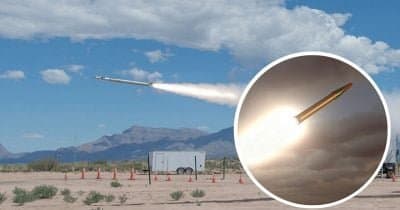
The ongoing military engagement initiated by a joint US-Israeli response has escalated tensions in the Gulf region, especially as Iran deploys its cost-effective drones. These operations have proven to be a significant challenge for the air defense systems of Bahrain, Kuwait, Oman, Qatar, the UAE, and Jordan. Analysts note that Iran's strategy focuses on sustaining pressure on these nations, using drones like the Shahed series to create continuous threats.
The drone offensives are not just about maintaining military presence; they are designed to financially strain Gulf states. This tactic forces these nations to expend substantial resources on interceptor missiles, which are far more expensive than the drones being used against them. As a result, the economic burden on these countries could lead to increased military expenditures and a reevaluation of their defense strategies.
Prolonged Conflict and Military Strategy
This military strategy appears to be indicative of a long-term plan by Iran to exhaust the resources of neighboring countries. The increasing reliance on drones is consistent with market analyses that predict an escalation in Iranian military actions. As the regional conflict persists, the dynamics are shifting, with potential implications for both military strategies and economic resources in the Gulf.
Indicators of Future Escalation
As the conflict unfolds, key developments are expected to influence the trajectory of military actions. Close attention should be paid to statements from the Iranian Revolutionary Guard Corps (IRGC) regarding their military objectives in the Gulf and any changes in leadership perspectives within Gulf states. Furthermore, diplomatic efforts by regional players, such as Qatar or Oman, could play a crucial role in redefining the conflict landscape, ultimately impacting prediction markets' perceptions of ongoing military actions.
This article is for informational purposes only and does not constitute financial advice.