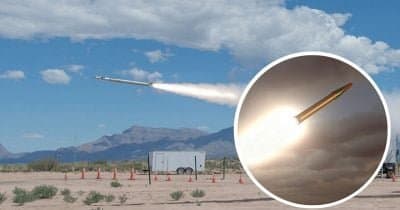
The situation at King Khalid Airbase in Saudi Arabia has taken a tense turn with the recent deployment of interceptor missiles. This move highlights the escalating conflict in the region, particularly between the Iranian-backed Houthi rebels and the coalition led by Saudi Arabia. The airbase, located in Khamis Mushayt, is a key military hub for Saudi operations and has become increasingly targeted in recent missile strikes from Yemen.
Despite ongoing attempts to secure a ceasefire, the rising frequency and intensity of these attacks reveal just how fragile peace efforts really are. The use of interceptor missiles signifies a serious escalation, as these systems are designed to counter the threat posed by incoming missiles, indicating a readiness for potential conflict.
This recent event is not just a military concern but also one that carries significant implications for markets. Investors are paying close attention to the likelihood of broader military actions involving Iran and other Gulf states. On July 9, 2026, market perceptions shifted, with an increase in the perceived risk of Iranian military actions against Gulf states. Such developments could lead to changes in military strategies and defenses across the region.
As the conflict continues, the resilience of Saudi missile defense systems will be put to the test. Observers are urged to keep an eye on the responses from Iran and Saudi Arabia, as any diplomatic or military moves could dramatically influence market dynamics. The current situation calls for vigilance, with potential shifts in military strategies likely to emerge in response to ongoing tensions.
For those interested in the broader implications, the recent escalation in the Strait of Hormuz indicates a worrying trend of increasing hostilities, further complicating the regional landscape.
This article is for informational purposes only and does not constitute financial advice.