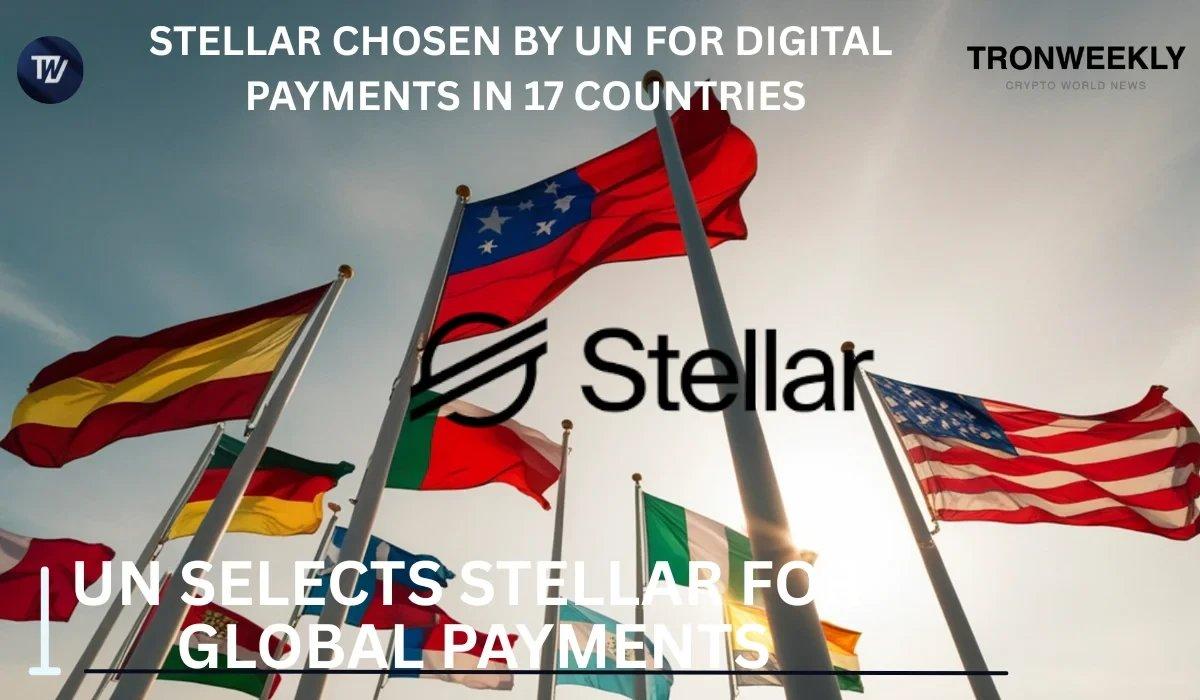
The United Nations is set to launch a significant blockchain initiative aimed at enhancing humanitarian aid through the Stellar platform. Transitioning from preliminary trials to actual implementation, the program will focus on digital payments in 17 different countries, with five pilot projects currently operational.
The UN Development Programme (UNDP) will implement these digital payment solutions primarily utilizing the XLM network. Active pilots are already in progress in regions such as Haiti, Syria, Kenya, Guatemala, and Gambia. The ultimate goal is to connect these financial solutions with over 170 local UNDP representatives and country programs, ensuring effective aid distribution and facilitating remittances.
Key Stakeholders and Their Roles
Several important partners are involved in this groundbreaking venture. Alongside the UNDP, the Stellar Development Foundation, local non-governmental organizations (NGOs), and regional payment gateways will collaborate to roll out this initiative. Stellar was selected for its advantageous features, including low transaction fees, rapid processing times of just 3-5 seconds, and its ability to directly support stablecoins and asset issuance.
Implications for the Blockchain Sector
This development not only highlights the increasing credibility of the Stellar blockchain for real-world payment solutions but also indicates a broader trend towards the acceptance of digital currencies within institutional frameworks. Developers in the ecosystem are now recognizing the necessity for compliant wallets that adhere to standards such as KYC (Know Your Customer) and AML (Anti-Money Laundering), in addition to the rollout of stablecoins on the Stellar network.
As the initiative unfolds, exchanges and custodians stand to benefit from new fiat channels in emerging markets. This will provide a transparent and auditable framework for monitoring aid flows, giving both investors and institutions tangible use cases for blockchain technology. Furthermore, regulators will have a real-world example to assess the efficacy and supervision of digital asset payments.
Future Perspectives
The move aligns with a wider trend among multinational organizations eager to leverage blockchain technology for enhancing financial inclusion by 2026. Unlike preceding market cycles, which were primarily speculation-driven, this initiative focuses on practical applications of the technology.
However, several challenges remain, including ensuring compliance with local laws, addressing internet access disparities, and managing liquidity issues. If the adoption of the XLM network extends to UNDP offices worldwide, it could very well serve as a benchmark for UN digital payment systems, potentially inspiring other organizations to follow this progressive path.
This article is for informational purposes only and does not constitute financial advice.