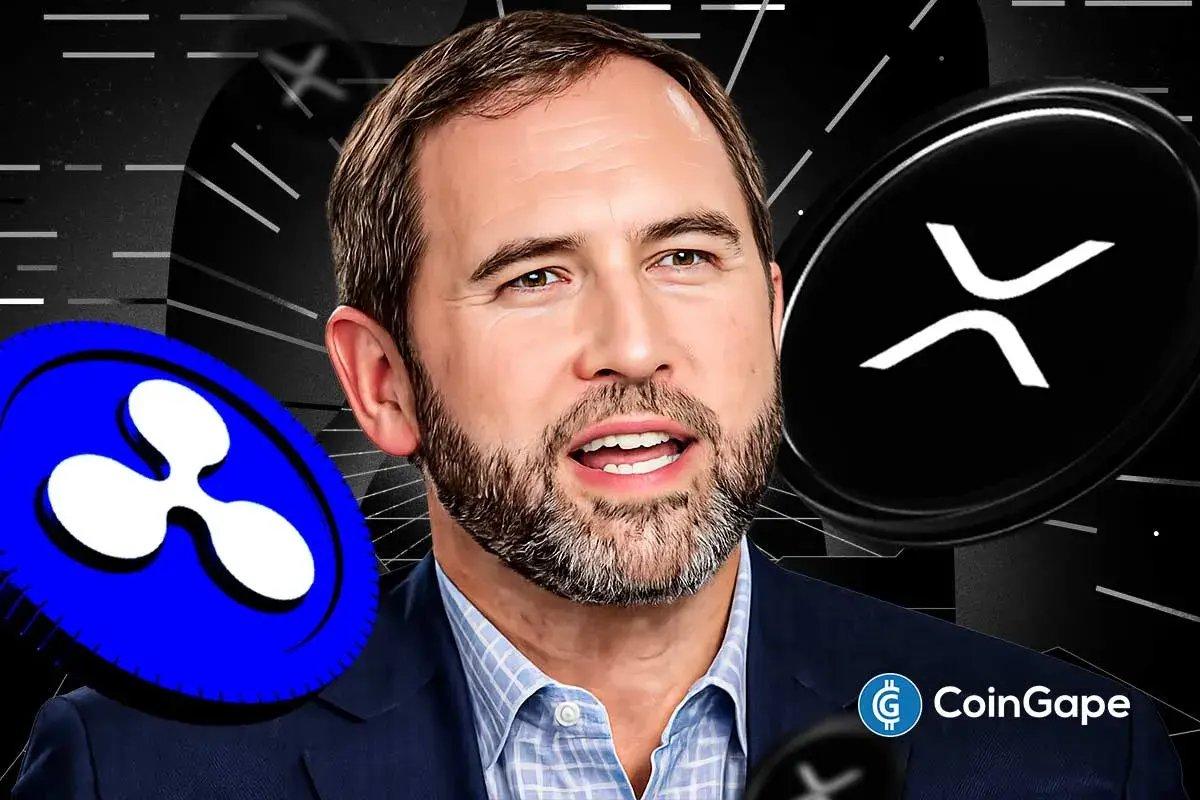
Brad Garlinghouse, the CEO of Ripple, has disclosed that the company faced an existential crisis following a lawsuit from the U.S. Securities and Exchange Commission (SEC) in 2020. The legal battle, which questioned the status of Ripple's XRP token as a security, put the firm in a precarious position, almost leading to its closure.
In a recent interview, Garlinghouse emphasized the daunting nature of the lawsuit, stating that Ripple found itself up against a government entity equipped with virtually unlimited resources. The weight of the situation made the decision to continue operations a tough one, with the company contemplating its future amidst the uncertainty.
Despite the challenges, Garlinghouse expressed relief that Ripple ultimately chose not to shut down. His reflections highlight the resilience of the company during a turbulent period that not only impacted Ripple but also stirred concerns within the broader cryptocurrency market.
The lawsuit raised significant questions regarding regulatory clarity in the cryptocurrency industry, a topic that continues to garner attention. Garlinghouse's experience underscores the ongoing tension between innovation in blockchain technology and regulatory frameworks, a balancing act that many crypto companies face today.
Ripple's Journey and Industry Impact
Ripple's legal struggle has had far-reaching implications, not just for the company, but for the entire cryptocurrency ecosystem. As the case unfolds, it serves as a reminder of the importance of regulatory frameworks that can foster innovation while protecting investors. The outcome of this case may shape future regulations and the operational landscape for many cryptocurrencies.
- Ripple faced a potential shutdown due to SEC lawsuit.
- Garlinghouse highlighted the imbalance in resources between Ripple and the SEC.
- The CEO is thankful for the decision to continue operations.
This article is for informational purposes only and should not be considered financial advice.