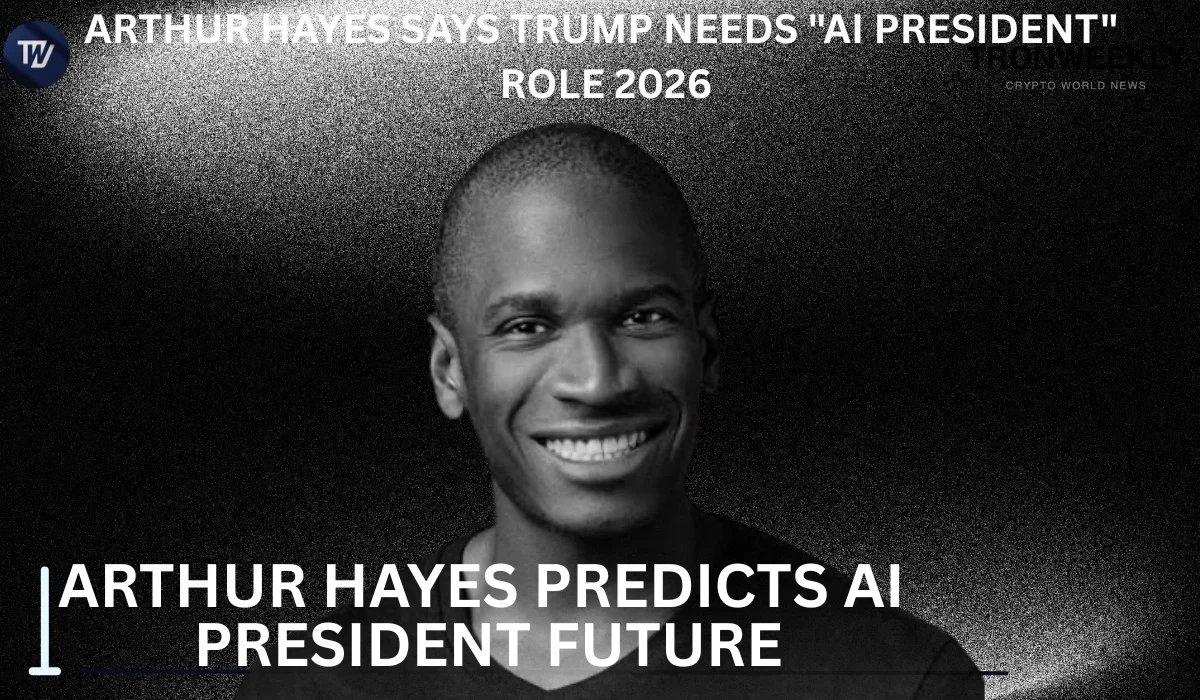
Arthur Hayes, co-founder of BitMEX, recently suggested that Donald Trump should pursue the role of "AI president" instead of focusing solely on becoming the "crypto president." He emphasizes that the trajectory of the US economy in the near future is more closely tied to advancements in artificial intelligence than to cryptocurrencies.
This statement shifts the conversation surrounding economic policy, indicating that the development of AI infrastructure will play a crucial role in capital movement and productivity by 2026, far outweighing the current regulatory discussions about digital tokens.
Insights from Hayes
According to Hayes, the entire fabric of the US economy is now fundamentally built around AI. He argues that before lawmakers can dive into crypto-specific regulations, they must first address critical issues related to computing capabilities, energy resources, and workforce talent.
In this context, key players include the Trump administration, AI corporations such as Nvidia prominent for its graphics processing units and crypto enterprises that are advocating for clearer regulations. Hayes is known for drawing parallels between monetary policy and technological adoption cycles, making his perspective particularly noteworthy.
Shifting Focus in Washington
His remarks highlight a broader prioritization of issues in Washington, where energy policy may dominate discussions over stablecoins and ETF approvals. On the flip side, developers working on blockchain projects that integrate AI technologies like decentralized computing and data verification might find themselves receiving more governmental support compared to those focused on payments or decentralized finance (DeFi).
As the landscape shifts, regulatory scrutiny could increasingly focus on crypto activities from the standpoint of national competitiveness in AI. Hayes believes that the growth of the crypto market will rely heavily on its synergy with AI infrastructure rather than existing in isolation.
Investors should monitor developments in federal policies related to AI and energy permits, as these will likely affect the positioning of blockchain initiatives aiming to provide essential infrastructure services rather than merely serving as investment assets.
This article is for informational purposes only and should not be considered financial advice.