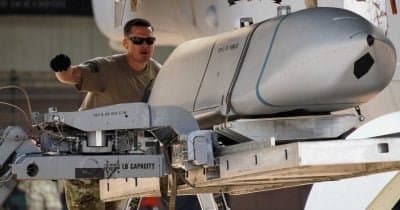
The U.S. Air Force is set to produce an additional 4,300 Joint Air-to-Surface Standoff Missiles (JASSM) in response to China's expanding naval capabilities. This surge in production reflects a significant strategic pivot aimed at preparing for potential high-intensity conflicts, particularly centered around Taiwan.
Under its new strategy termed "affordable mass," the U.S. military plans to enhance its arsenal with a focus on cost-effective and easily deployable weapons. This initiative arises from an apparent need to counterbalance China's increasing missile production capabilities and to ensure the U.S. is well-equipped for any military engagement in the Indo-Pacific region.
Strategic Implications for Taiwan
As tensions mount, this decision to ramp up missile production shows a clear message to Beijing regarding U.S. intentions. Recent market trends show a decline in the perceived likelihood of a Chinese invasion of Taiwan, with estimates dropping to 10.5% from 12% for the end of 2027. This shift may reflect growing confidence in U.S. military readiness and a deterrence strategy that aims to stabilize the region.
Military Preparedness and Geopolitical Dynamics
The Pentagon’s focus on deterrence is likely to influence the broader geopolitical landscape. Increased military readiness in the face of potential conflict scenarios is crucial as it not only affects U.S. military strategy but also shapes market perceptions regarding international stability. Observers are advised to keep an eye on any further military developments from the U.S. in the Indo-Pacific, as these actions could continue to affect both regional tensions and market dynamics.
This article is for informational purposes only and does not constitute financial advice.