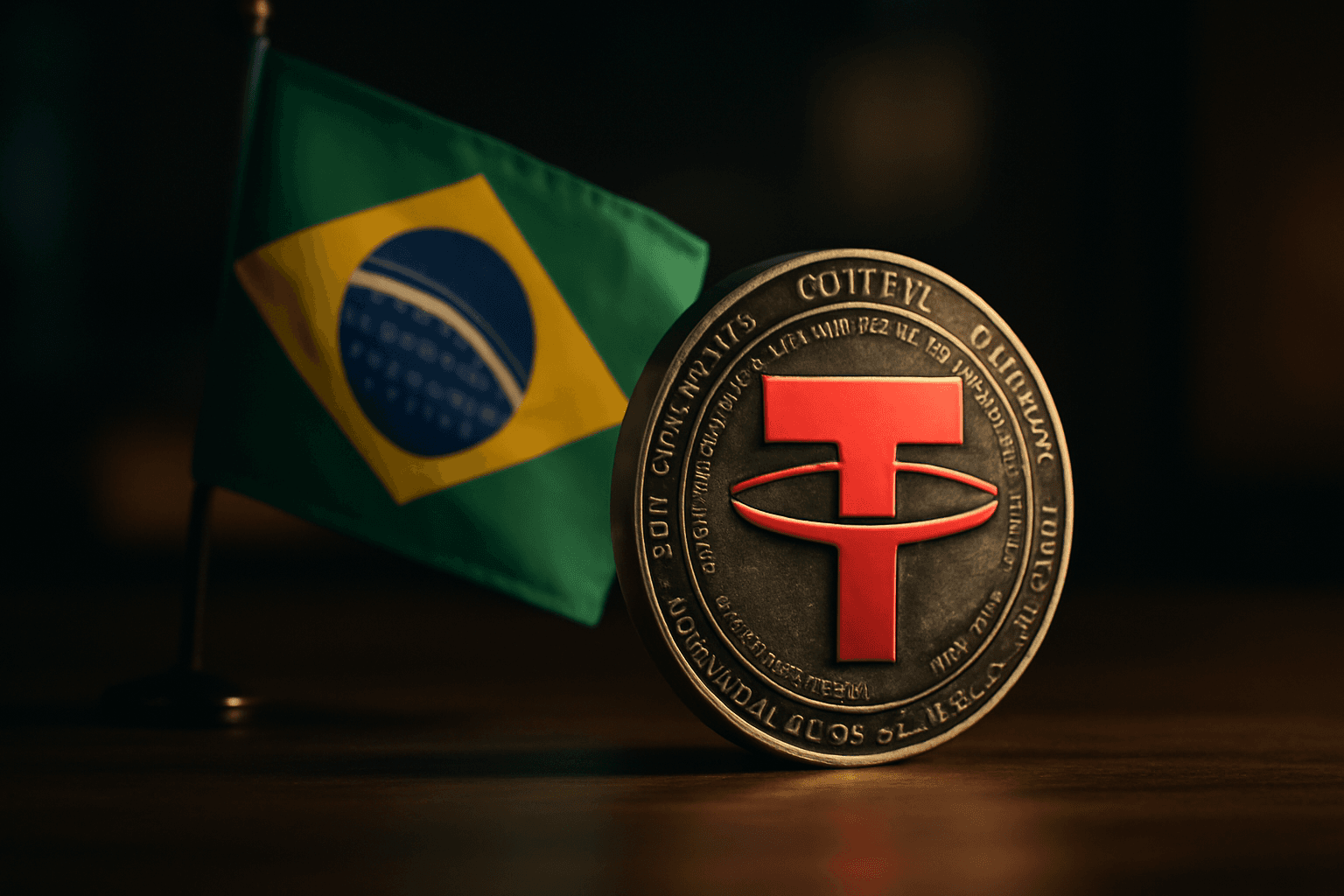
In the latest edition of Latam Insights, we delve into significant developments within the Latin American cryptocurrency scene. Tether, a prominent name in the stablecoin sector, has recently invested $20 million in Mercado Bitcoin, a leading Brazilian financial services platform. This strategic funding aims to enhance Mercado Bitcoin's payment systems and tokenized asset offerings, paving the way for broader expansion across the region.
Mercado Bitcoin, which serves over 4.5 million customers and operates within both Brazil and Europe, has been characterized by Tether as one of the most robust regulated on-chain financial platforms in Latin America. This investment, which also includes backing from SoftBank, signifies Tether's commitment to establishing a strong institutional presence in Latin America. By strengthening its technological infrastructure, Mercado Bitcoin is set to facilitate more efficient transactions and broaden its investment options for users.
Operation Veil of Maya: A Crackdown on Crypto-Related Crime
In parallel to Tether's investment, Brazilian authorities have taken decisive action against illicit activities in the cryptocurrency sector. The Federal Police launched Operation Veil of Maya, targeting an illegal betting ring that utilized shell companies to launder money and redirect funds through both fiat and digital currencies. This operation, which focused on 87 companies, underscores the ongoing struggle against financial crime in the crypto space. Although specific figures concerning the volume of funds involved were not disclosed, the operation highlights the potential misuse of cryptocurrency in money laundering schemes.
Industry Pushback Against Proposed Regulation
Amidst these developments, the Brazilian Cryptoeconomy Association, known as ABcripto, has voiced strong opposition to a new proposal from the Central Bank of Brazil. This proposal suggests implementing a 24-hour lock on stablecoin transactions, which ABcripto contends would hinder the swift and regulated movement of funds within the industry. Industry leaders, including major players like Binance and Coinbase, argue that such regulations could discourage investment and innovation in the rapidly evolving digital currency landscape.
As Tether strengthens its foothold in Brazil, the unfolding regulatory landscape poses both opportunities and challenges for the crypto sector in Latin America. The outcomes of these developments will likely shape the future of cryptocurrency adoption and regulation in the region.
This material is for informational purposes only and should not be considered financial advice.