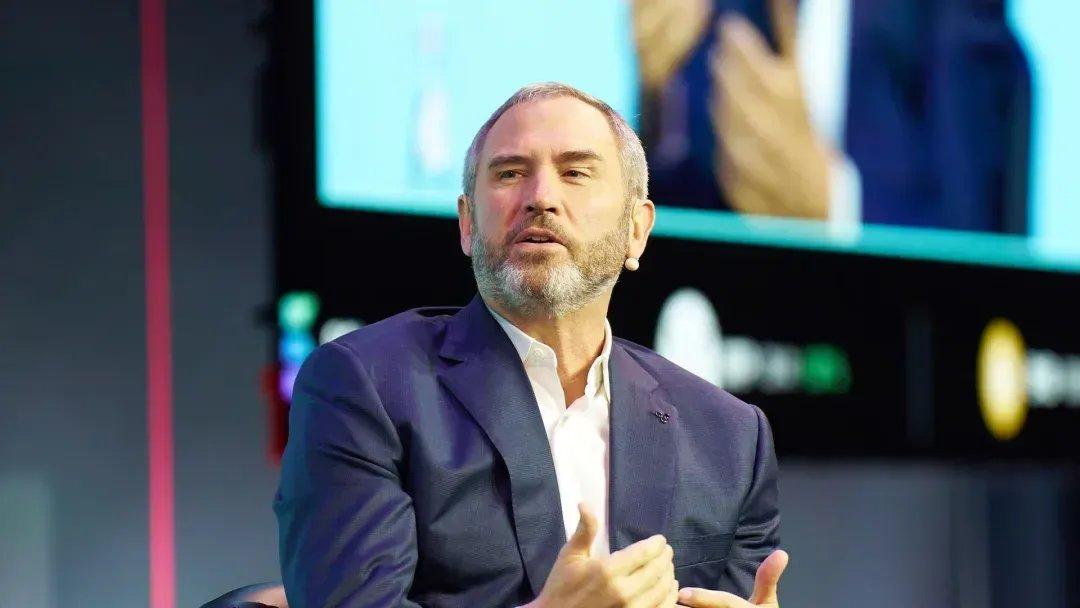
Ripple CEO Brad Garlinghouse has revealed that the company came perilously close to shutting down rather than engaging in a legal battle with the SEC. The lawsuit, initiated in 2020, alleged that Ripple sold XRP as an unregistered security, placing significant pressure on the company and its leadership.
During a recent talk at the University of Kansas School of Business, Garlinghouse recounted the feelings of uncertainty that surrounded the company's future. He explained that he and co-founder Chris Larsen had to consider all possibilities, including the option to simply dissolve Ripple and distribute its remaining XRP holdings back to shareholders. This approach, while seemingly straightforward, would have meant the loss of numerous jobs and a major setback for their eight-year mission to revolutionize global payments.
Garlinghouse noted the immense burden on him personally, having met SEC officials several times without legal representation. The ambiguity surrounding XRP's status as a security complicated matters further, leaving Ripple's future hanging in the balance. He remarked, "I’m glad in retrospect, but that was not obvious at the time," reflecting on the difficult decision to fight against the SEC.
Critics have raised questions about the authenticity of Ripple's precarious position, arguing that a multi-billion-dollar firm couldn’t collapse so abruptly. However, David Schwartz, Ripple's CTO Emeritus, confirmed that the threat was indeed significant, fueled by discouraging legal advice at that time. Schwartz suggested that naming Garlinghouse and Larsen personally was a strategic move aimed at breaking their resolve and pressuring the company into a swift settlement.
In light of these challenges, Ripple's leadership chose to persevere, a decision that has led to significant advancements in the blockchain sector. As the case unfolded, it not only shaped Ripple's trajectory but also impacted the broader cryptocurrency landscape.
This article is for informational purposes only and does not constitute financial advice.