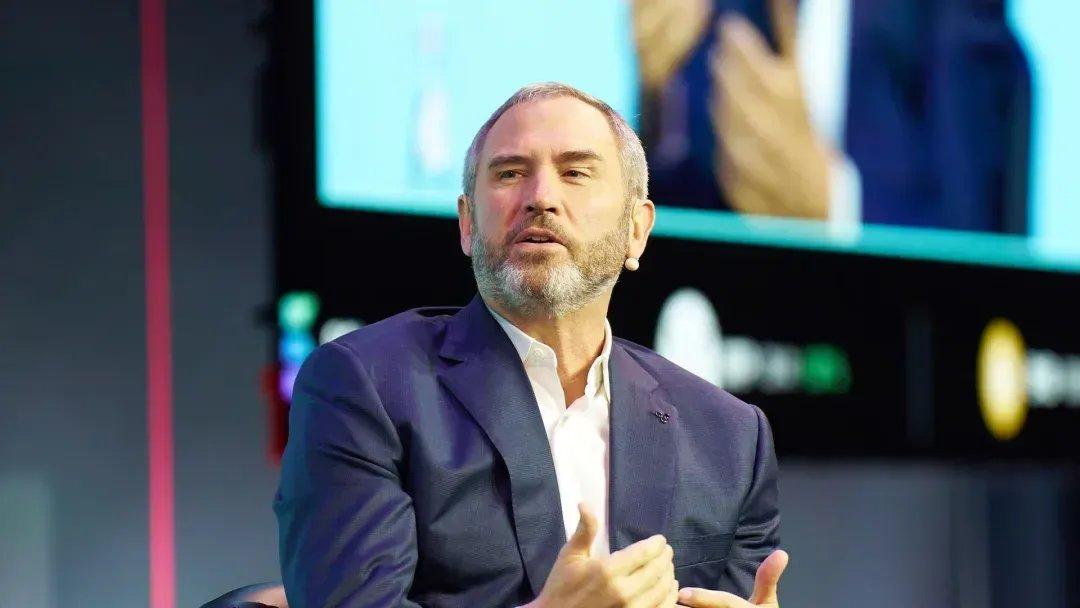
Ripple's CEO, Brad Garlinghouse, recently disclosed that the company faced a near shutdown following the U.S. Securities and Exchange Commission's (SEC) lawsuit against it in December 2020. This legal battle nearly extinguished one of the most notable names in the cryptocurrency sector, but instead of retreating, Ripple chose to confront the challenge head-on.
As highlighted by market analyst Xaif Crypto, Garlinghouse shared insights into the discussions that took place during this critical period. The leadership team at Ripple contemplated drastic measures, such as liquidating the business and distributing XRP holdings to shareholders. The idea was to inform regulators that Ripple no longer owned XRP and close its doors for good. However, Garlinghouse and co-founder Chris Larsen opted for a different path: they decided to fight the SEC in court.
Garlinghouse emphasized that shutting down the company would not only have resulted in job losses for hundreds of employees but would also have allowed the SEC to claim victory without facing any legal challenge to its assertions. Recognizing the potential ramifications of the lawsuit on the entire cryptocurrency landscape, Ripple committed to defending itself rather than capitulating.
Ripple's Resilience Through Adversity
The SEC lawsuit thrust Ripple into one of its most tumultuous phases. Major U.S. exchanges, including Coinbase, halted or removed XRP trading, causing a significant drop in liquidity and instilling doubt among investors regarding Ripple's future. For nearly two years, regulatory uncertainty loomed over Ripple's operations and the potential of XRP within the U.S. market.
Despite these setbacks, Ripple continued to pursue global expansion. The firm forged new payment partnerships, enhanced its enterprise blockchain offerings, and invested in building robust infrastructure while entrenched in its legal struggle against the SEC. This strategic decision to maintain growth in the face of adversity ultimately played a pivotal role in shaping Ripple's trajectory.
A New Chapter Post-Lawsuit
The conclusion of the SEC case in August last year marked a turning point, alleviating the heavy regulatory burden that had weighed down Ripple. Since then, the company has been busy re-establishing its presence in the U.S., obtaining licenses in various jurisdictions, and launching the RLUSD stablecoin. Ripple's commitment to innovation has solidified its standing in areas like tokenization and cross-border payments.
According to Xaif Crypto, Ripple's resurgence illustrates how swiftly market perceptions can shift. Once viewed as a company on the brink of collapse, Ripple is now recognized as a leader in institutional blockchain adoption, with banks and financial institutions eager to explore its technology for practical financial applications.
For Garlinghouse, the decision to battle rather than bow out has become a defining moment in Ripple's history. What seemed to be the end of an era has transformed into one of the most significant legal victories in the crypto space, reinforcing Ripple's resilience and setting the foundation for its future growth.
This material is informational and not financial advice.