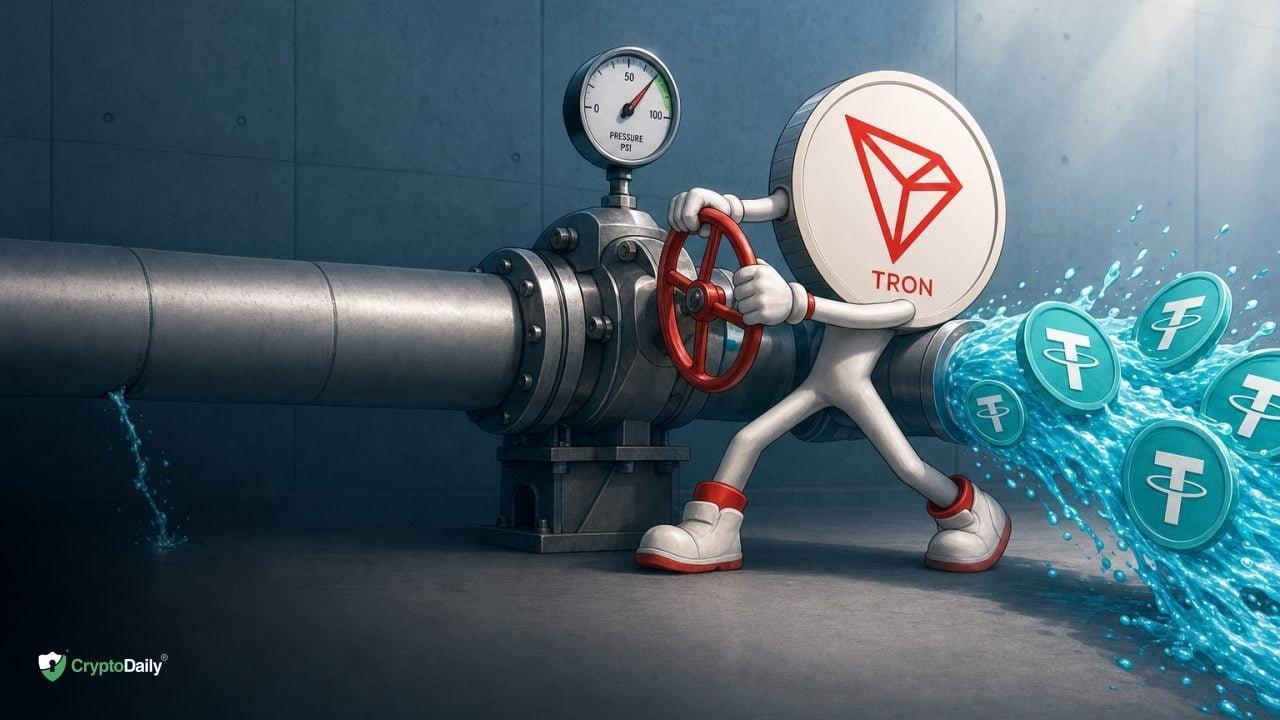
In Lagos, a payment processor is moving millions in USDT daily, and it's not using Ethereum, it's utilizing TRON. The low fees, fast transactions, and reliable network have made TRON an attractive option for transferring stablecoins. Recently, a significant milestone was reached as TRON's USDT supply surpassed $90 billion, positioning it as a leader in transfer volume this year.
The essential question arises: if TRON is the primary platform for USD transactions, will this lead to an increase in the value of TRX? This isn't straightforward, but the landscape has become clearer as we head into 2026.
Stablecoins have proven their worth by providing tangible utility, and TRON has capitalized on this with its low fees and systematic approach to resource management. In July 2026, the TRON DAO reported the circulating USDT supply on its network reached an impressive $90 billion, with a staggering year-to-date transfer volume of approximately $4.2 trillion. Such figures are usually associated with traditional banking systems rather than a blockchain, yet the price of TRX has not reflected this surge in usage.
Massive transaction volumes can indeed signal potential value for tokens, but merely having high throughput does not guarantee increased prices. The actual realization of value from transaction activity hinges on factors such as fee collection, scarcity of the token, and user behavior regarding token holding. Currently, the beneficiaries are the users and businesses that can transfer funds affordably on-chain. TRX holders may eventually see benefits if mechanisms such as fee burning, energy staking demand, or revenue generation at the protocol level manage to evolve with the growing traffic.
Understanding TRON's Growing Significance
Let’s break down the current situation objectively. On July 9, 2026, TRON DAO revealed that the circulating supply of USDT on its platform had exceeded $90 billion, confirming its position at the forefront of USDT transfer volumes this year. This information acts as a crucial indicator of TRON's central role in the stablecoin payment landscape today. For the record, The Block reported this development alongside data from Token Terminal.
When considering the broader market, DeFiLlama's dashboard from July 2026 shows total stablecoins valued at around $312.26 billion, with USDT making up approximately $184.16 billion, highlighting Tether's dominance in the stablecoin arena. The data underscores TRON's status as a major player in hosting on-chain stablecoins, alongside Ethereum, reinforcing the idea that substantial amounts of on-chain dollar traffic are funneled through TRON.
Practical Implications for Users and Investors
To put it simply, a significant portion of the world's on-chain dollars is now residing on TRON, making it a chief venue for dollar transfers. The reasons for TRON's appeal are grounded in practicality rather than ideology. Its minimal transactional fees and resource model allow larger participants to pre-stake TRX to reserve computational power, enabling efficient operations such as batch withdrawals and merchant payments. As the on-chain dollar activity continues to expand, the future of TRX remains intriguing, though its value trajectory remains uncertain.
This material is for informational purposes only and should not be considered financial advice.