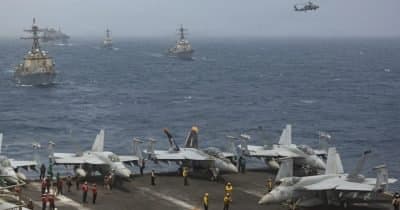
A recent attack on a tanker in the Strait of Hormuz has sparked a significant escalation in the ongoing conflict between the United States and Iran. This incident, which resulted in the loss of lives, highlights the fragility of maritime security in this crucial waterway. Following the attack, military actions have ramped up, with the US launching strikes on Iranian targets and Iran responding by targeting US military bases in the region.
The Strait of Hormuz, a vital channel for global oil transport, has seen a severe decrease in shipping activity. Over 6,000 seafarers are currently stranded due to heightened tensions, as Gulf countries increase their military readiness. If the situation continues to deteriorate, shipping routes could remain disrupted for an extended period.
Market reactions indicate a growing pessimism regarding the Strait's return to normal operations. Predictions show a stark drop in the likelihood of normalization by the end of August 2026, with the chances falling from 16% to just 12.5%. Such statistics underline the potential for ongoing blockades, which could significantly impact global oil exports.
Observers are now looking closely for any signs of de-escalation from both Iranian and US officials. Any announcements hinting at a peace agreement or a framework for reopening the Strait could shift market expectations. Conversely, further military provocations or statements from Iranian leaders about maintaining closures would likely solidify the current downward trend.
The outcome of this precarious situation remains uncertain. Continuous updates from shipping trackers and oil market fluctuations will be crucial in gauging the Strait's operational status in the coming weeks.
This material is informational and not financial advice.