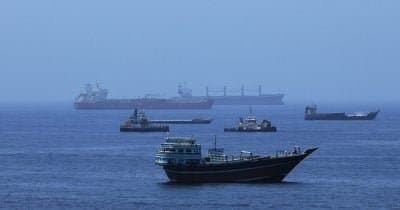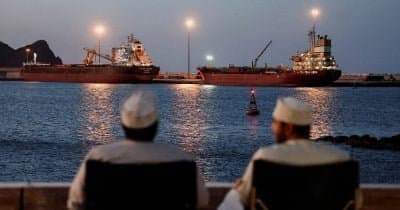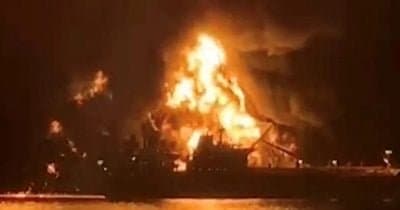
The Strait of Hormuz, a critical maritime conduit, has once again become a theater of military tension as Iranian forces fired upon two vessels navigating through its waters. This aggressive act, reported recently, coincides with a notable decline in shipping traffic, which has now hit a five-week low.
This escalation comes on the heels of heightened confrontations between the US and Iran, particularly following recent airstrikes by the US on Iranian military installations. The timing of Iran's actions suggests a strategy to reinforce its claims over the Strait, which has long been a contentious area for international navigation. In previous statements, Iran had threatened to restrict access for unauthorized ships, and this incident appears to be a demonstration of those intentions.
The Impact on Global Shipping
As global markets react, the potential implications of reduced shipping traffic cannot be overstated. Estimates indicate that the likelihood of fewer than 150 ships passing through this vital corridor has risen significantly, with a probability calculated at 82.3%. Such disruptions not only threaten the immediate economic stability of oil and gas prices but also have far-reaching effects on international trade.
The ongoing military actions underscore the precarious nature of maritime security in the region. With the possibility of further military engagements looming, shipping companies may begin to reassess their routes and strategies, leading to a ripple effect in global supply chains. The situation demands close monitoring, especially as stakeholders consider how to navigate these turbulent waters.
Looking Ahead
As the situation evolves, observers are keen to see how the US-Iran conflict unfolds, particularly regarding additional military maneuvers that could further affect shipping security. The response from international shipping firms will be crucial, as will any diplomatic efforts aimed at de-escalating tensions. The potential for a breakthrough in negotiations could alter market expectations, making it imperative for stakeholders to remain vigilant.
This article is for informational purposes only and does not constitute financial advice.