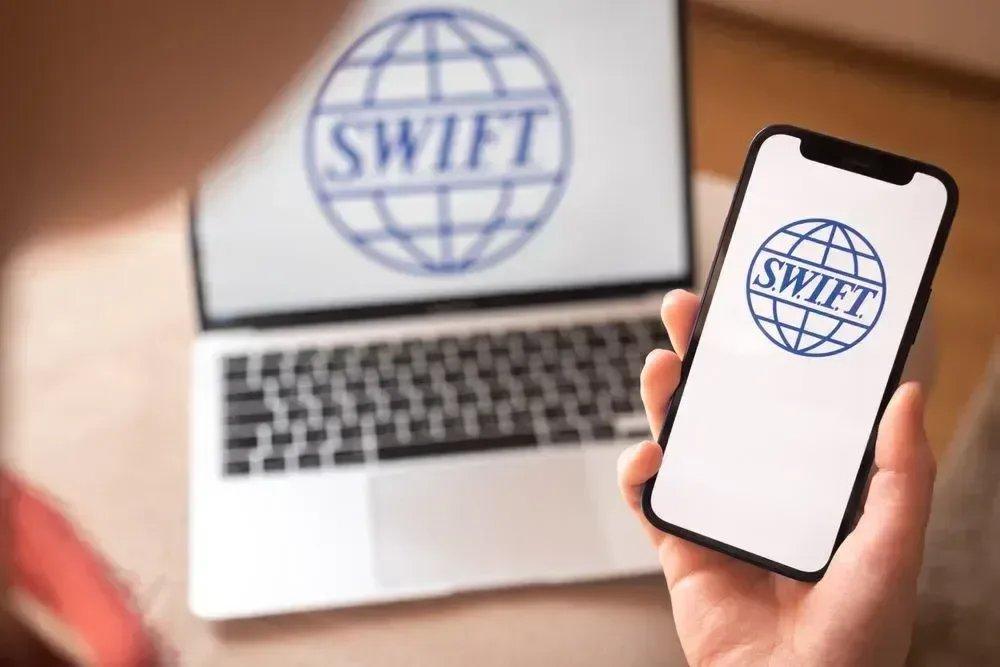
In a significant advance for global finance, SWIFT has officially launched its blockchain-based shared ledger after just nine months of development. This new platform is set to undergo pilot testing involving 17 major banks worldwide, marking an important step towards achieving 24/7 tokenized cross-border payments.
The participating banks include giants like ANZ, BNP Paribas, BNY, Citi, DBS Bank, First Abu Dhabi Bank, and Wells Fargo, among others. SWIFT's shared ledger is designed to integrate distributed ledger technology (DLT) with its existing global messaging network to streamline tokenized payment processes among these financial institutions.
This initiative is more than a simple payment solution. It lays the groundwork for the future of programmable money, offering a platform where autonomous AI systems might eventually execute and settle transactions. SWIFT envisions this as just the beginning of a broader initiative aimed at incorporating tokenized finance into traditional banking.
However, the announcement has reignited discussions around Ripple and its cryptocurrency, XRP. Detractors question whether SWIFT’s venture undermines XRP’s significance. Yet, many analysts assert that the opposite is true, stating that SWIFT’s approach underscores the very issues XRP was designed to overcome.
Analyst Coach JV points out that while SWIFT's ledger enhances coordination among banks, it mainly acts as an orchestration layer for bank deposits rather than serving as a universal settlement network. The system allows banks to validate payments, synchronize transactions, and manage tokenized assets. Nonetheless, final settlements may still require traditional methods like RTGS systems or correspondent banking, highlighting a critical gap that XRP aims to fill.
The introduction of SWIFT's blockchain solution comes at a time when the financial landscape is rapidly evolving into a more fragmented environment. With the rise of tokenized deposits, stablecoins, and central bank digital currencies, institutions are entering the digital asset sphere under varied regulatory frameworks. This growing complexity makes interoperability essential, and this is where XRP stands out as a neutral bridge asset, designed to facilitate seamless transactions across diverse networks.
This article is for informational purposes only and should not be considered financial advice.