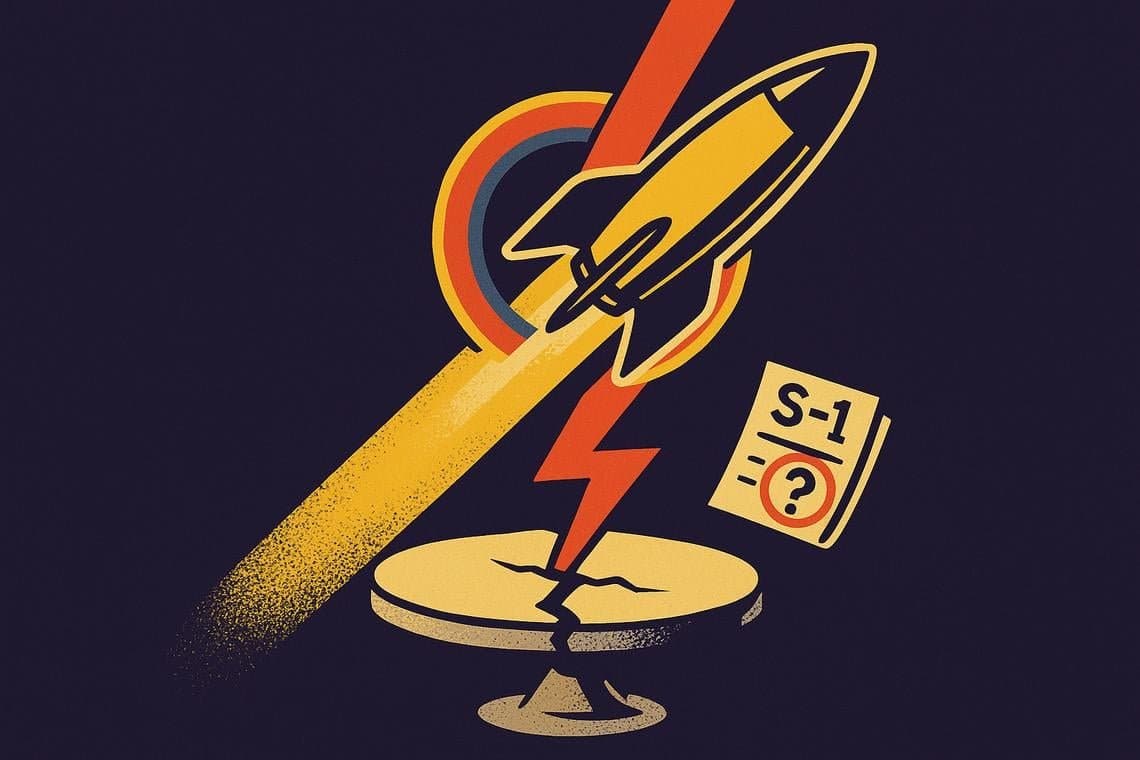
SpaceX's latest initial public offering (IPO) has taken a sharp turn, with its valuation dropping by over $1.1 trillion within just a month. What appeared to be a meteoric rise transformed into a striking decline, stirring concerns about the underlying value the market assigned to the company.
Unprecedented IPO and Euphoria
On June 11, SpaceX launched its IPO at an unprecedented price of $135 per share, successfully raising around $75 billion. This milestone made it the most lucrative IPO in history. Following that, shares hit an intraday high of $225.64 just days later, resulting in a staggering market cap of $2.95 trillion. This valuation momentarily eclipsed industry giants like Amazon and Microsoft, creating a frenzy of investor excitement. Analysts speculated that SpaceX's recent focus on artificial intelligence and its acquisition of Musk's AI venture, now rebranded as SpaceXAI, contributed to the high enthusiasm. Investor sentiments shifted towards the notion that they were not simply buying into a space company, but rather into a tech giant with the potential for AI advancements.
The Unraveling of Value
However, from that towering peak, the decline has been rapid. In merely weeks, SpaceX's valuation slipped below $1.8 trillion. By June 22, shares had fallen significantly, reflecting the volatile nature of the market and raising critical reflections on whether the initial valuations were sustainable. Morningstar has suggested a fair value of $63 per share, while prominent investor Michael Burry has publicly questioned the company's worth, suggesting it may not even reach $1 trillion.
Despite optimistic projections around SpaceX's entry into the Nasdaq 100 on July 7, anticipated boosts instead led to a drop of over 6%. This trend shows the unpredictable nature of market sentiments, where a rapid initial surge can spiral into steep losses.
This material is intended for informational purposes only and is not financial advice.