On a Friday around lunchtime, SNDK became the topic of conversation for many investors. On June 22, 2026, SanDisk reached an impressive intraday high of $2,354.39, but the excitement quickly faded.
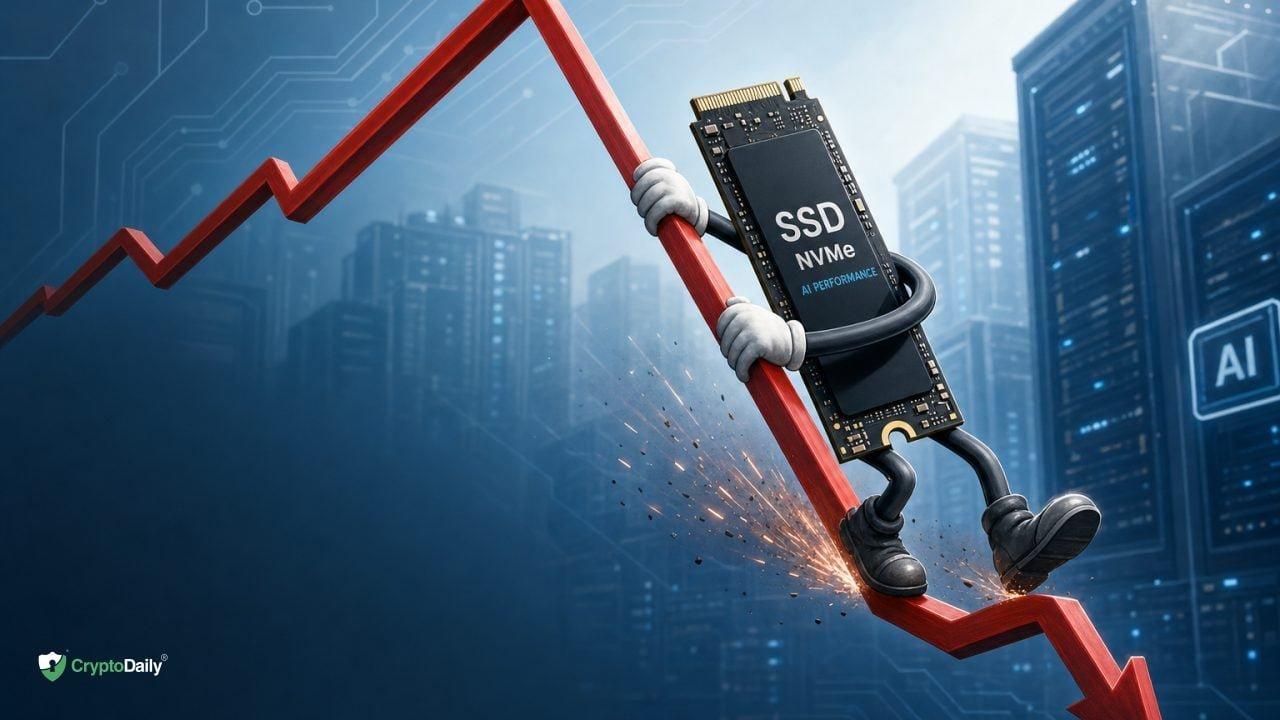
The following day, it was clear that the excitement wasn’t limited to just one stock; the entire AI hardware sector was experiencing a downturn. June 23 saw SanDisk drop approximately 13 to 14 percent, coinciding with a broader selloff in the semiconductor market linked to turmoil in South Korea and shifts in investor focus regarding AI capital expenditures.
Despite a notable decline, the following week brought a sense of resilience. On July 2, reports indicated that SNDK was the best performer in the S&P 500 year-to-date, boasting a remarkable 635 percent increase, even as it again experienced a sharp intraday dip of 14.1 percent.
Assessing the Volatility
This level of fluctuation indicates more than just typical market behavior; it serves as an important signal. The core question is whether SanDisk's recent ups and downs are merely a temporary market adjustment or an indication that the AI hardware sector is entering a more challenging phase.
The Broader Context of the Rally
Over the past two years, major tech companies and AI startups have funneled considerable budgets into computing resources, benefiting GPU, HBM, and storage manufacturers alike. This surge led to a rebound for memory firms previously suffering from cyclical downturns. Prices stabilized and utilization rates improved, attracting a surge of investor interest.
As of late June, the market's enthusiasm had reached a critical point. Bank of America's Bubble Risk Indicator for the PHLX Semiconductor Sector indicated a reading of around 0.91, suggesting an overextended market vulnerable to swift corrections.
It's essential to monitor when key market indicators peak collectively, as even slight changes in the investment narrative can lead to significant downturns.
SanDisk's Role in the Current Landscape
SanDisk is a key player in the ongoing discussion, known for its expertise in NAND flash and storage solutions. During the AI expansion, these components facilitate the movement of data, including pipelines for datasets, checkpoints, retrieval systems, and logs. If demand weakens, SanDisk is likely to feel the impact first, due to its critical position in the technology stack.
NAND flash has regained its strategic importance as AI demands have surged. While previously plagued by excess supply and falling prices, AI has changed the narrative. Fast local storage is crucial for GPU-intensive tasks, while low-latency caching is vital for inference operations.
Key Takeaways
However, it’s important to note the broader trends in the value chain. Investors will typically favor the most scarce and impactful components first when it comes to spending. In this scenario, that has primarily been computing power and HBM. Although storage plays a crucial role as technologies scale and workflows improve, in a slowing capital expenditure environment, the focus might shift more towards enhancing compute capabilities rather than full-scale storage upgrades.
So, as you observe SNDK's price movements during times of sector instability, remember it reflects broader market sentiments regarding AI hardware and investments.