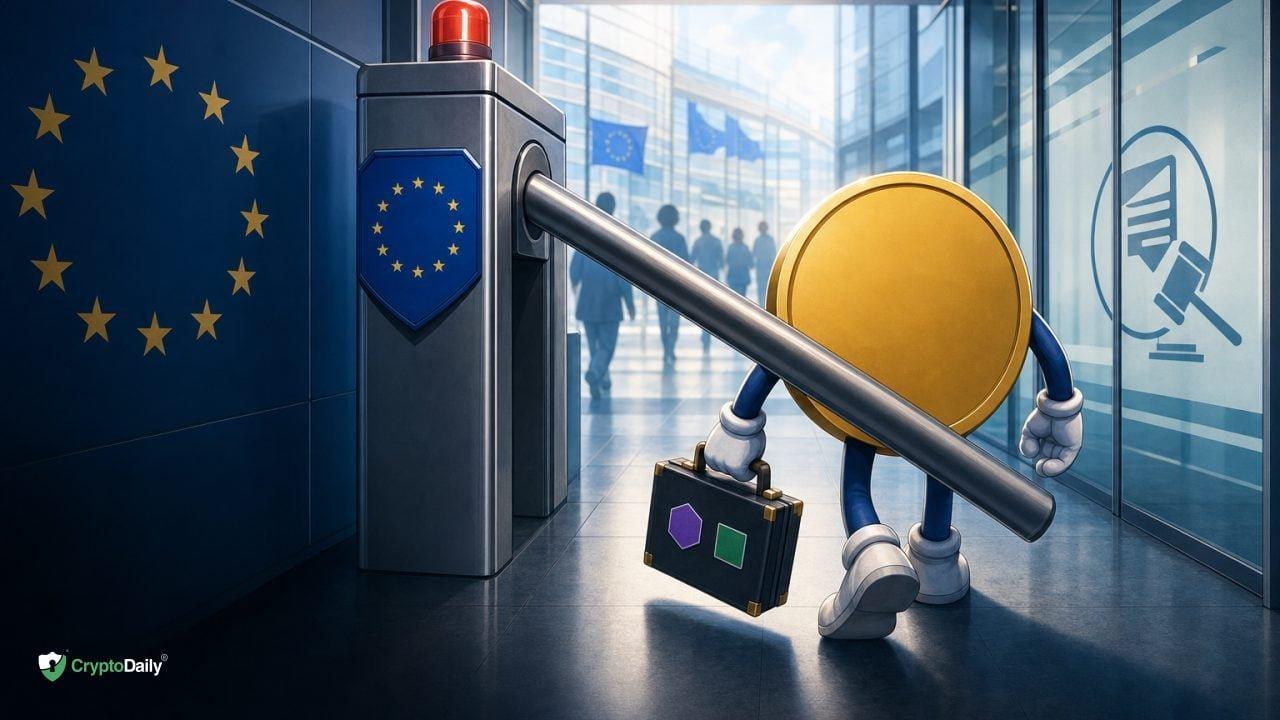
If you attempted to make a small wager on whether a European election would go to a runoff this summer and encountered an unexpected barrier, you're not the only one. Recently, the pathway for everyday users trying to access prediction markets in Europe has become significantly more challenging.
The driving force behind this shift comes from Brussels: event contracts that qualify as financial instruments under European regulations are being classified similarly to binary options for retail users. This classification is not favorable.
Understanding the Changes
Kalshi, Polymarket, and an expanding array of event-trading platforms now face an unyielding truth in the EU: if your market is categorized as a financial instrument, retail access is effectively off the table.
On July 3, 2026, Europe’s financial oversight authority voiced a notable concern: event contracts may indeed be classified as financial instruments. This categorization subjects them to the same prohibitory measures that EU countries instituted for binary options years ago, limiting access to numerous popular prediction markets.
What Does the New Regulation Entail?
As a result, platforms must now either redesign their structures, reclassify their offerings, or withdraw from providing services to retail users. This regulatory clampdown is prompted by two key factors: the increasing trading volumes and consumer interest in event markets during 2025 and early 2026, and the more defined regulatory landscapes emerging on both sides of the Atlantic, albeit with differing approaches.
In a public statement released on July 3, the European Securities and Markets Authority (ESMA) clarified that event contracts with underlying assets classified within MiFID II Annex I qualify as financial instruments. Under the classification as derivatives, they will be subject to national product intervention measures aimed at safeguarding retail clients, thereby prohibiting their marketing, distribution, or sale to those clients. This announcement dramatically narrows the landscape for accessible prediction markets in the region.
Impact on Current Platforms
The interpretation of event contracts may include various categories tied to economic indicators, interest rates, and more. For example, a market that questions, “Will EUR inflation fall below X by Y date?” fits this new framework. The implications extend beyond economic concerns, fundamentally hinging on whether the contract structure aligns with MiFID's definitions.
This severe tightening of regulations for binary options has a substantial impact. Following a series of consumer losses and aggressive marketing tactics by the binary options sector, European nations implemented nationwide bans that shut retail clients out of these markets. Now, the ESMA’s latest ruling means that if an event contract qualifies as a financial instrument, it must abide by the same prohibitive regulations designed for binary options.
Platforms like Kalshi, which has established a regulated event-exchange franchise in the U.S., are poised to feel the brunt of these changes.