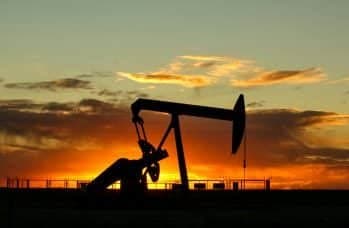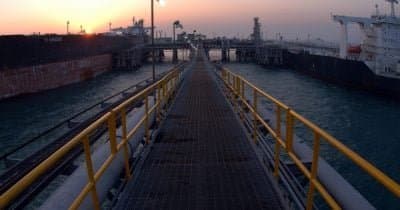
As tensions between the United States and Iran escalate, oil prices are reacting sharply. "The market is understandably jittery; any disruption in supply can send prices soaring," noted an industry analyst. On July 17, 2026, West Texas Intermediate (WTI) crude saw a rise of 0.84%, climbing to $79.61 a barrel, while Brent crude futures surged by 1.25% to $85.28. These changes are fueled by Iran's recent orders to the Houthi movement in Yemen to be ready for military action, should the U.S. strike Iranian infrastructure.
This uptick in oil prices comes after a brief decline, which occurred following a temporary ceasefire that had allowed for increased shipping through the Strait of Hormuz. However, the renewed conflict has shifted market expectations, leading analysts to predict that WTI prices could hit the $130 mark by the end of July 2026. The potential closure of the Red Sea oil route is particularly concerning, as it could severely disrupt global oil supply.
Investors and market watchers are advised to keep an eye on developments in the region. Any military engagement by either the U.S. or Iran that threatens oil infrastructure will likely exacerbate price increases. Additionally, announcements from OPEC or other major oil producers regarding production levels will play a crucial role in shaping market dynamics. For those interested in related developments, the recent article on escalating tensions in Chabahar highlights the volatility in the region.
As the situation unfolds, it remains critical to monitor diplomatic efforts aimed at de-escalating tensions and stabilizing oil supply routes. The market's response to these geopolitical events shows the delicate balance between politics and oil prices.
This material is for informational purposes only and does not constitute financial advice.