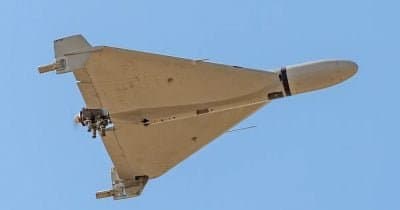
Kuwait’s military has revealed it is actively countering an Iranian drone assault, marking a fresh escalation in the already volatile Gulf region. The drone attack highlights Iran’s growing reliance on unmanned aerial vehicles to pressure neighboring states without triggering more devastating missile strikes. This tactic allows Iran to maintain a persistent threat while managing the risks of a direct large-scale conflict.
Shift in Iran’s Tactical Approach
Earlier this year, U.S. and Israeli strikes targeted Iranian military assets, fueling a chain reaction of retaliatory moves by Tehran. Instead of escalating to missile warfare, Iran appears focused on drone operations against Gulf states like Kuwait to keep up the pressure. The Kuwaiti military’s response signals a readiness to confront these attacks head-on, reflecting heightened alertness across the region.
Impact on Regional Security and Markets
The drone strikes come amid fragile security conditions that have already unsettled oil markets and regional diplomacy. Market indicators now show increased odds of further Iranian military actions through July, driven by the uncertainty these tactics generate. Observers are closely watching how Gulf allies and the U.S. will respond, knowing that any miscalculation could quickly alter geopolitical dynamics.
This development joins a series of recent confrontations, including Iranian forces striking U.S. and Gulf targets and missile launches across Jordan targeting U.S. bases in Saudi Arabia, all pointing to a deepening conflict pattern.
The strategic use of drones by Iran is a clear sign of asymmetric warfare aiming to avoid direct missile exchanges but still inflict operational and psychological costs on its adversaries.