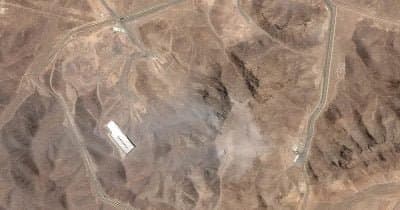
"Iran might soon pull out of the Nuclear Non-Proliferation Treaty and unveil a nuclear weapon," warned Lawrence Wilkerson, former chief of staff to Colin Powell. His remarks have sent ripples through diplomatic circles, suggesting Tehran is nearing a key tipping point in its nuclear program. While Iran has floated legislative moves to exit the treaty, no formal steps have been taken yet. The US remains watchful, with intelligence noting that although Iran has the capability to quickly produce weapon-grade fissile material, no political decision has been made to cross that line.
Markets have begun factoring in these geopolitical risks, showing less optimism for a US-Iran deal that would include reconstruction funding. This shift comes amid ongoing, fragile ceasefire talks brokered by mediators from Qatar and Pakistan, where any sudden action by Iran could upend the negotiation landscape. A formal announcement about withdrawing from the NPT would dramatically alter the diplomatic and economic calculus, intensifying sanctions and military tensions.
Despite the heightened uncertainty, US intelligence assessments remain cautious. They emphasize that technical ability does not equal intent. Iran appears to be leveraging its nuclear program as a strategic bargaining chip while balancing domestic and international pressures. Meanwhile, the market’s reaction reflects a growing wariness about the stability of the 2026 US-Iran framework and the prospects for long-term peace and reconstruction funding.
The situation echoes recent geopolitical shifts impacting global security and markets, highlighting how fragile ceasefires and tentative diplomatic efforts can quickly unravel. The coming weeks will likely be key in determining whether Iran escalates its nuclear ambitions or steps back from the brink.