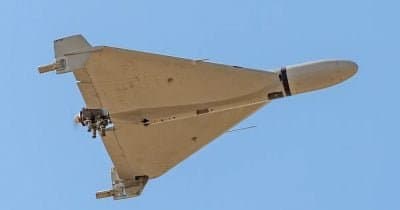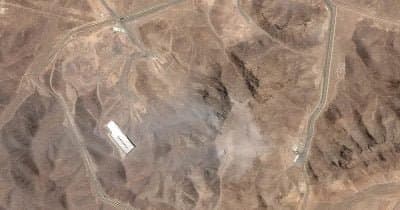
The Iranian Army has taken credit for a series of coordinated attacks hitting US ammunition depots, key bridges in Kuwait, and a fuel storage facility in Jordan. These recent strikes mark a new spike in confrontation following the breakdown of a ceasefire in April 2026.
Since the ceasefire dissolved, conflict in the Middle East has intensified with each side responding to the other’s moves. The Iranian military actions are viewed as retaliation and escalation, challenging the fragile security balance in the Gulf region. US officials have issued warnings about rising threats, while diplomatic talks remain stalled, deepening concerns of a broader military clash.
Market Reactions Reflect Escalating Risks
Trading markets have reacted sharply: the likelihood assigned to further Iranian military operations against Gulf states climbed noticeably. For instance, market probabilities for attacks on specific upcoming dates have surged, signaling investor anticipation of an expanding conflict. This shift highlights growing unease about the stability of energy supplies and security in the area.
Close attention is now on responses from the US government and Gulf allies. Any confirmed countermeasures or official statements from leaders could dramatically alter regional dynamics and market expectations. The developments come amid warnings that fuel reserves and infrastructure could be vulnerable targets, increasing pressure on nations like Jordan and Kuwait.
Related tensions were also spotlighted recently when Iran launched missiles across Jordan, aiming at US bases in Saudi Arabia. This pattern of aggressive moves underlines a fraught environment with uncertain prospects for de-escalation.