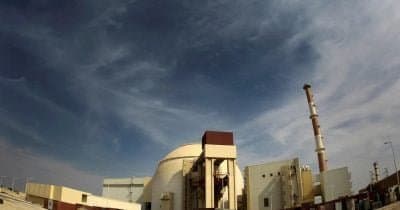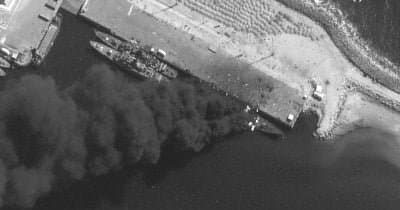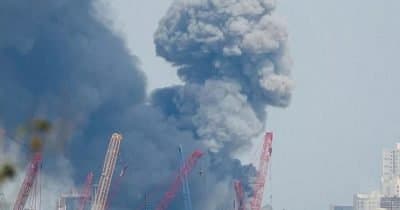
The recent military action by Iran's Islamic Revolutionary Guard Corps (IRGC) involved strikes on key U.S. military installations at the Juffair base in Bahrain, which included a residential building for American personnel and a satellite communications facility. This escalation occurred despite a ceasefire that had been established in April 2026 during the ongoing conflict between Iran and the United States. The Bahrain Interior Ministry responded by activating warning sirens, indicating a serious breach of security.
This attack shows the strategic importance of Naval Support Activity Bahrain, home to the U.S. Fifth Fleet. The IRGC's actions may suggest a pattern of increasing military aggression directed towards U.S. assets in the Persian Gulf, raising concerns about potential further escalations in hostilities.
Impact on Regional Stability
Observers note that the recent strikes are consistent with a broader trend of Iranian military actions against Gulf states, further destabilizing an already tense situation. The pricing dynamics for military operations in the region have shifted significantly, reflecting escalated expectations of continued conflict. Analysts are closely monitoring potential U.S. and allied responses, which may dictate the future course of military engagements.
Future Implications
The likelihood of further Iranian military actions could increase if the current trend of targeting U.S. military infrastructures persists. Additionally, the responses from allied nations in the region may lead to heightened military readiness. Diplomatic efforts could play a crucial role in mitigating tensions, with countries like Qatar or Oman potentially stepping in to facilitate negotiations. The current situation emphasizes the precarious balance of power in the Gulf and the need for continuous vigilance among regional and global actors.
This article is for informational purposes only and does not constitute financial advice.