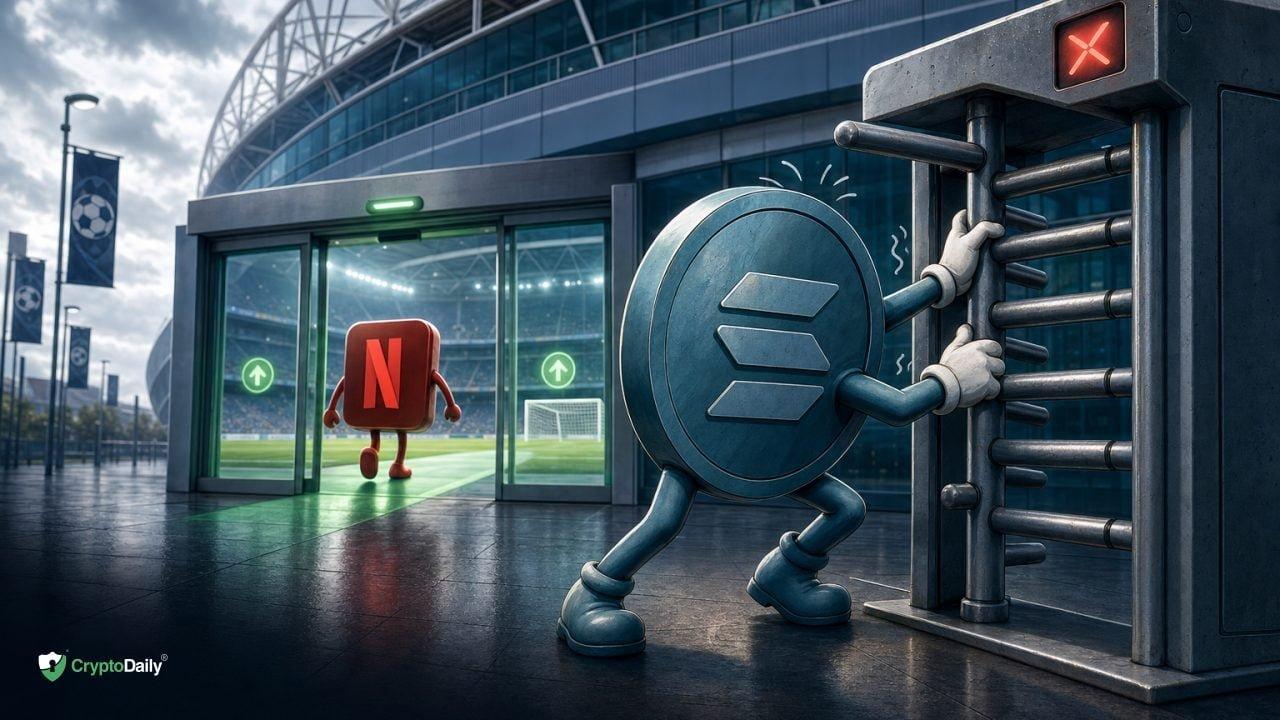
This summer, if you're involved in the development or investment of sports applications, you're faced with a fresh benchmark. Netflix has transformed the experience of watching the World Cup into a participatory event that individuals can join within seconds. No downloads, no controllers, no digital wallets are needed this is a bold move in terms of user experience.
In this article, we'll analyze Netflix's recent offering, see how it compares to blockchain-based sports applications, and explore what Web3 developers need to either adapt or innovate. We'll tackle topics such as fan tokens, exchange partnerships, and areas where potential users still encounter barriers.
A Significant Shift in User Experience
Netflix's World Cup Launch Edition represents a vital user experience standard as it reduces onboarding complexities to almost nothing. It comes included with a subscription, uses a smartphone as a controller, and allows immediate access on television. In contrast, many blockchain sports apps still require initial friction through wallets, tokens, and regulatory compliance matters. To reach the same level, Web3 platforms must offer free trials, seamless custody solutions that can be transferred later, and incentives that do not necessitate a token purchase on day one.
For members, this means no-cost access and instant play on a large screen, using your phone as a remote control.
What Netflix Introduced and Its Implications for Sports User Experience
On June 11, 2026, Netflix launched FIFA World Cup: Launch Edition, available at no additional charge to all Netflix subscribers. This platform supports up to four players and is designed primarily for television use with a smartphone as the controller. Prior to the global rollout, it was initially tested in Brazil and Germany starting June 4. These details are confirmed directly from Netflix’s announcement.
Why is this important? The experience brings entertainment into living rooms with minimal barriers. If you have a Netflix subscription, you already possess the required platform and login, now coupled with an engaging party game timed with one of the most significant sports events of the year. This isn't just a gaming UX, it's effectively mainstream UX.
Challenges in Blockchain Sports App Onboarding
While progress has been made since 2021, onboarding remains complex for the average football fan. Numerous token-centric apps may pressure users to make purchases before they've even had the chance to assess their enjoyment of the service. This typically involves connecting to a wallet, setting one up within the app (commonly custodial), or negotiating exchanges that require identity verification and fiat arrangements.
Even when presented as 'easy,' the process can feel more like navigating through banking bureaucracy rather than a smooth experience. Comparatively, Netflix's seamless approach highlights the hurdles many blockchain platforms face in attracting casual fans, particularly when considering experiences like Polymarket's recent challenges.