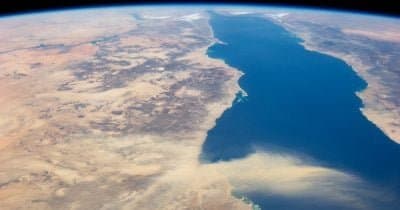
"This flight signals a significant shift in the geopolitical balance of power in the Red Sea region," stated an expert analyzing the recent Iranian airliner landing in Houthi-controlled Sanaa on July 4. The Mahan Air flight has reportedly transported personnel and military equipment from the Iranian Revolutionary Guard Corps (IRGC), raising alarms about Iran's strategic maneuvers in a volatile region. Observers suggest that this development could bolster Houthi efforts to challenge maritime traffic through the Bab el-Mandeb Strait, a vital shipping route that connects the Mediterranean Sea to the Indian Ocean.
Market data reflects a nuanced shift in perceptions surrounding Houthi threats to shipping. The likelihood of an imminent attack has decreased to 5.3% by July 17, down from 17% just a day earlier. However, projections show that this risk could rise to 32% by the end of July and reach 53.5% by August 31. This fluctuation illustrates a cautious optimism in the short term, while also highlighting a significant potential for escalation in the coming months.
The involvement of IRGC personnel in Yemen shows Iran's commitment to enhancing Houthi military capabilities, which could have serious implications for global oil trade, especially if maritime routes are compromised. The strategic implications of this flight extend beyond mere troop transport, potentially allowing the Houthi forces to exert greater influence over critical maritime chokepoints.
As regional tensions escalate, market participants will be closely monitoring statements from Houthi leaders and military activities. Diplomatic efforts or military responses from nations like Saudi Arabia, the United States, or Israel will also play a crucial role in determining future dynamics. Any announcements regarding ceasefires or de-escalation could shift market perceptions and alter the anticipated likelihood of Houthi disruptions in the Red Sea.
This article is for informational purposes and does not constitute financial advice.