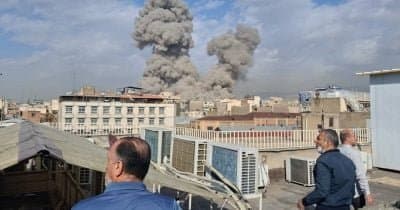
"This is a dangerous escalation," stated an anonymous military analyst amid the growing tensions between the United States and Iran. The U.S. has launched airstrikes in close proximity to Tehran, marking a significant shift in its military approach in the region. This escalation follows a series of provocations that reignited hostilities after a fragile ceasefire was shattered earlier this year. The renewed conflict ensued after attacks on commercial shipping in the strategically vital Strait of Hormuz, coupled with the reimplementation of a U.S. naval blockade.
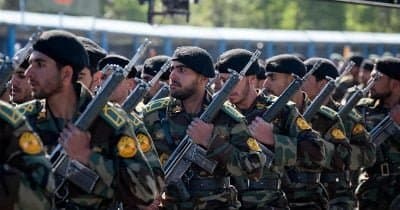
In retaliation, Iran has targeted American military installations in Bahrain, Jordan, and Kuwait, signaling its intent to respond forcefully to U.S. actions. The Iranian leadership has issued stern warnings about potential future attacks, indicating that the conflict could broaden significantly. This round of hostilities is characterized by a more extensive geographic scope, raising concerns about the stability of the Iranian regime.
Market analysts have noted a sharp rise in speculation regarding regime change in Iran, fueled by the perception of increasing instability. The likelihood of further escalations may hinge on the responses from both the U.S. and Iranian forces. Observers are particularly focused on the Islamic Revolutionary Guard Corps and the Iranian government's internal dynamics, which could reveal signs of dissent or shifts in loyalty that may impact the regime's longevity.
As military operations continue, the international community is closely monitoring developments that could affect major urban centers or critical military installations in the region. Such actions will likely play a crucial role in shaping perceptions about the Iranian regime's resilience and strategic future.
This article is for informational purposes only and does not constitute financial advice.