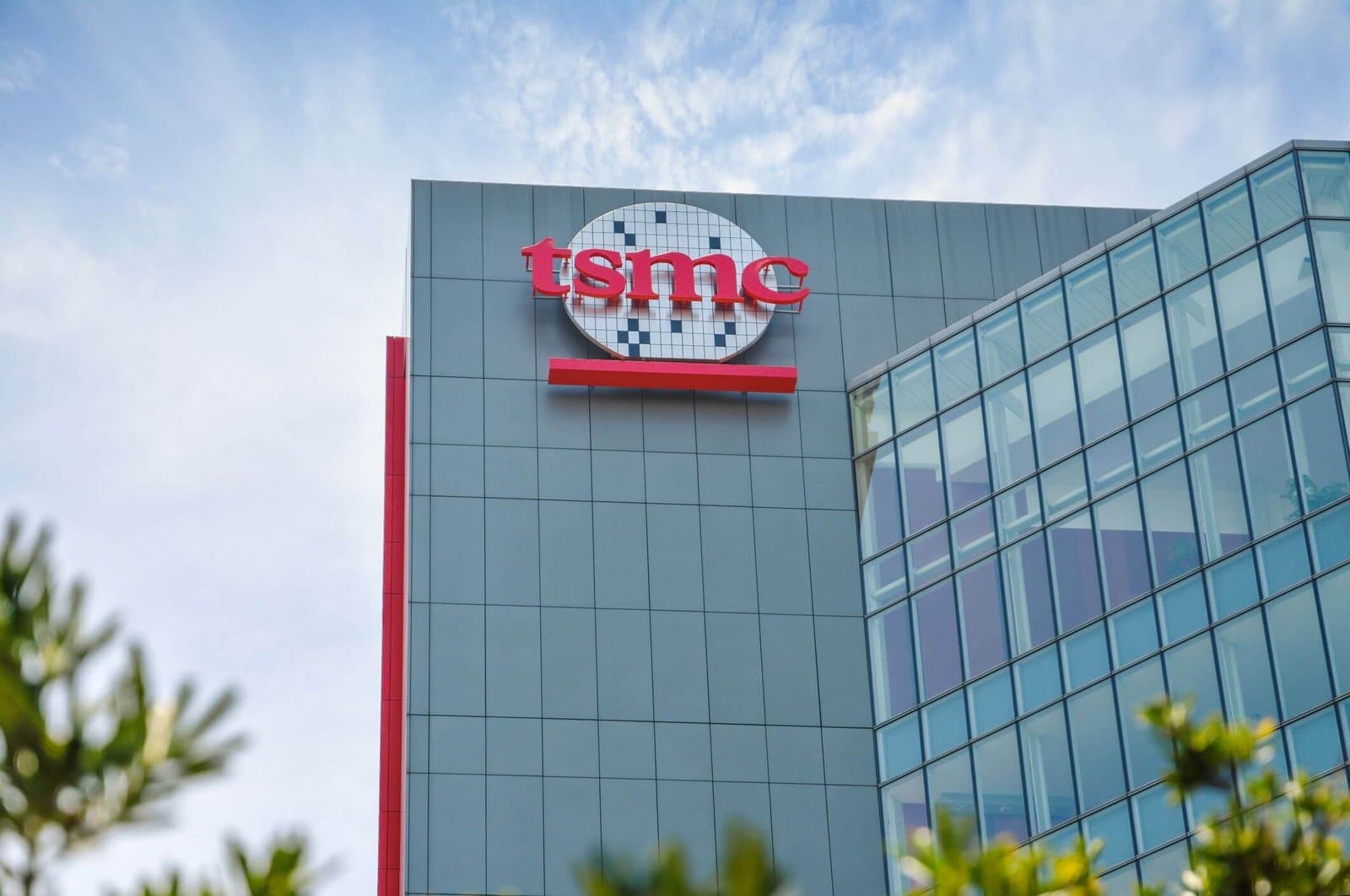
TSMC, a leading semiconductor manufacturer, reported impressive Q2 results but saw its stock drop by 4.2% in premarket trading on Thursday. The company's net profit soared 77% year-over-year to NT$706.56 billion ($22 billion), surpassing analysts' expectations.
The revenue for the quarter reached NT$1.23 trillion ($40.2 billion), a 34% increase from the same period last year. This growth is attributed to the demand for advanced chips, especially those at the 7nm technology node and below, which accounted for 77% of wafer revenue. The 5nm process was a key contributor, representing 33% of total production.
U.S. Investment Commitment Expands
Amid these strong financial results, TSMC announced a significant expansion of its investment in U.S. semiconductor fabrication, pledging an additional $100 billion, bringing the total to $265 billion. This move, aimed at establishing a manufacturing presence in Arizona, has raised concerns among investors regarding the profitability of U.S.-manufactured chips compared to those produced in Taiwan.
Despite the solid growth indicators, investors seem cautious. The increased capital expenditure, now estimated between $60 billion and $64 billion, has led to questions about whether TSMC can maintain its high margins amid rising production costs, especially with its new 2nm process still in the early stages.
TSMC's partnerships with major companies like Nvidia and Apple are vital. Nvidia's demand for AI processors, in particular, continues to drive TSMC's production capabilities.
Competitively, TSMC faces pressure from Intel, which is actively pursuing its own chip manufacturing clients with government backing, putting it in direct competition with TSMC. Analysts had anticipated TSMC could adjust its revenue growth outlook upward, but the current market reaction reflects uncertainty.
This article is for informational purposes only and does not constitute financial advice.