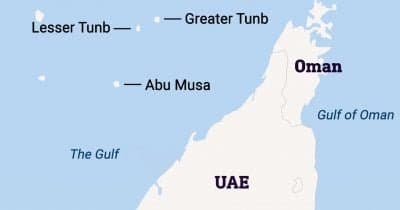
In a significant military operation, US forces executed airstrikes on Iranian coastal defenses located on Greater Tunb Island. This strategic territory, positioned near the Strait of Hormuz, is key for global shipping, with millions of barrels of oil passing through daily.
The airstrikes lasted around 90 minutes and focused on military infrastructure belonging to the Islamic Revolutionary Guard Corps (IRGC). Reports indicate that at least 14 structures were destroyed, including aircraft hangars, a port operations center, and fuel depots. While some underground bunkers used for missile storage were identified, not all were fully neutralized during this initial wave of attacks.
Escalation of Tensions
The operation aimed to enhance safe passage through the Strait of Hormuz, a vital route for international trade. US Central Command characterized the strikes as enforcement of freedom of navigation rather than an offensive campaign. Despite these efforts, hostilities resumed shortly after a temporary ceasefire collapsed on July 13, 2026, when Iran began targeting merchant vessels again.
Market Implications
For the oil markets, the renewed conflict adds pressure, potentially driving prices higher due to increased risks surrounding shipping routes. Notably, there are currently no direct links between the ongoing military actions and cryptocurrency markets. However, in scenarios where sanctions are tightened, demand for alternatives to traditional financial systems may increase. This historical trend suggests that as sanctions on Iranian entities continue, the appetite for censorship-resistant financial solutions could rise significantly.
This material is informational and does not constitute financial advice.