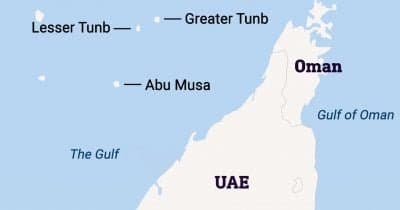
Iran has issued a notable warning, stating it might obstruct oil exports in the region and potentially target U.S. military installations in Bahrain. This sharp escalation comes in response to the U.S. renewal of its naval blockade on Iranian ports. Following President Trump’s announcement that a temporary ceasefire has now concluded, hostilities have intensified, particularly around the crucial Strait of Hormuz. This strategic passage is vital for global oil shipments, and Iran’s latest stance suggests a willingness to disrupt essential energy flows in retaliation.
Impact on Oil Markets
The threat to regional oil exports aligns with rising tensions in the area. Market analysts are beginning to adjust their expectations regarding a swift resolution to the blockade, with many now speculating that the likelihood of the U.S. lifting sanctions by July 24, 2026, is diminishing. This volatility is evident in fluctuating oil prices, which are being influenced by the uncertainty surrounding Iran's actions. As potential conflict looms, energy markets are bracing for disruption, which could send shockwaves throughout the global economy.
Political Ramifications
Increased military activity by the U.S. Central Command, alongside President Trump’s statements, will be crucial for stakeholders to monitor, as they might alter market perceptions regarding the blockade's future. Furthermore, any Iranian attempts to close the Strait of Hormuz would significantly contribute to escalating tensions in the region. Diplomatic efforts involving Oman or other neutral parties could also signal a potential shift in negotiations, but the current climate suggests that the odds of a resolution are low. Recent U.S. airstrikes highlight the ongoing conflict, hinting at a more profound military engagement.
This material is for informational purposes only and should not be considered financial advice.