Asset tokenization is capturing significant attention in the investment community, a trend emphasized by Larry Fink, the Chairman and CEO of BlackRock. His assertion that every financial instrument, from stocks to bonds, can be tokenized is reshaping how investors view traditional assets. With projections suggesting that by mid-2026, over $32 billion worth of real-world assets will be integrated into blockchain systems, the conversation around this subject is growing rapidly.
The essence of asset tokenization lies in its potential to revolutionize investment methodologies. By transforming physical assets into digital tokens on a blockchain, the process enhances liquidity, accessibility, and efficiency. Investors can trade these assets more fluidly, unlocking value that might have been previously stymied by traditional assets' illiquidity and complexity.
The Mechanics of Tokenization
At its core, tokenization involves creating a digital representation of a physical asset. This digital form can be bought, sold, or traded on blockchain networks, making the process transparent and secure. Different types of assets, such as real estate or commodities, can be tokenized, offering diversified investment opportunities to both institutional and retail investors.
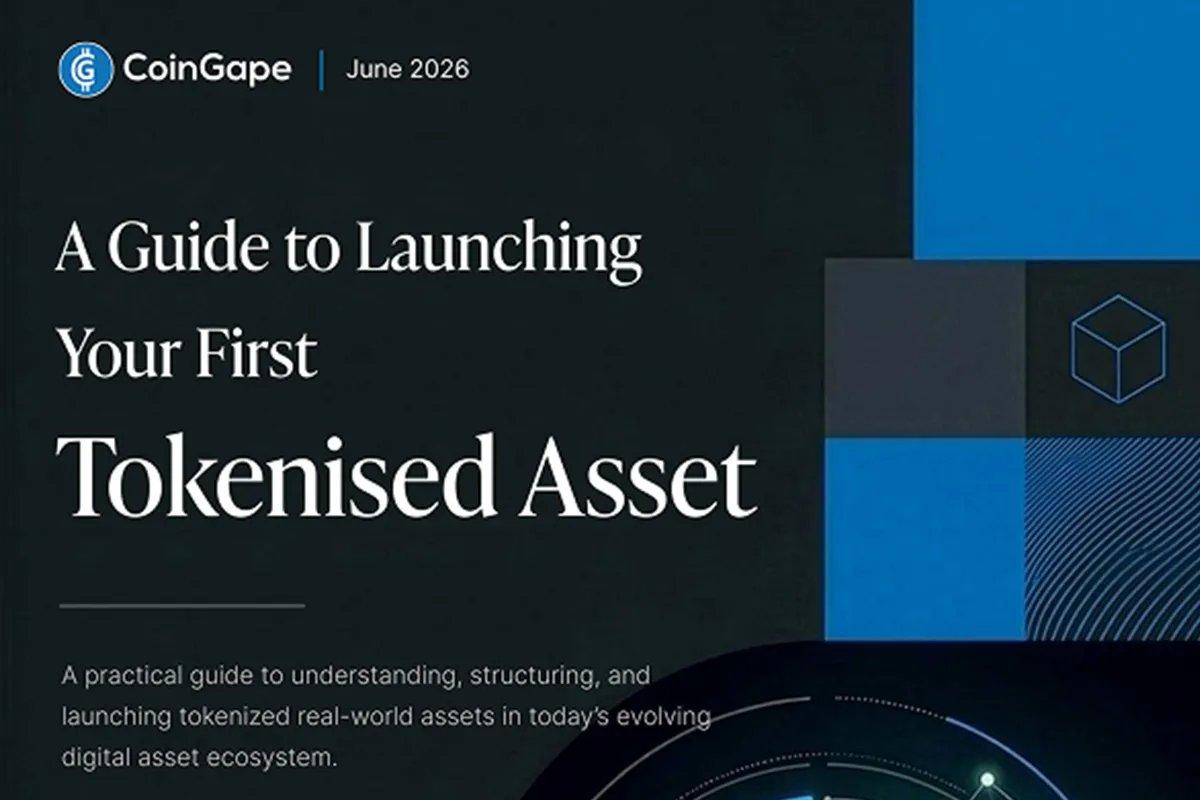
Tokenized assets can democratize access to investment opportunities, allowing smaller investors to engage in markets that were once reserved for larger financiers. Given this shift, platforms are emerging with tools designed to facilitate the creation and management of tokenized assets, mirroring traditional investment vehicles.
The Future of Investment through Tokenization
As tokenization continues to gain momentum, various industries are exploring its potential benefits. For instance, the move towards digital representation of corporate assets is already taking shape, with some corporations beginning to innovate with blockchain technology in their treasury management, as seen in investments like Hyundai's exploration of USDT on Avalanche.
The broader implication of asset tokenization is its ability to redefine ownership and investment strategies. By streamlining processes and reducing friction in transactions, asset tokenization could very well usher in a new era of investment one that is as inclusive as it is revolutionary.
This material is for informational purposes only and does not constitute financial advice.