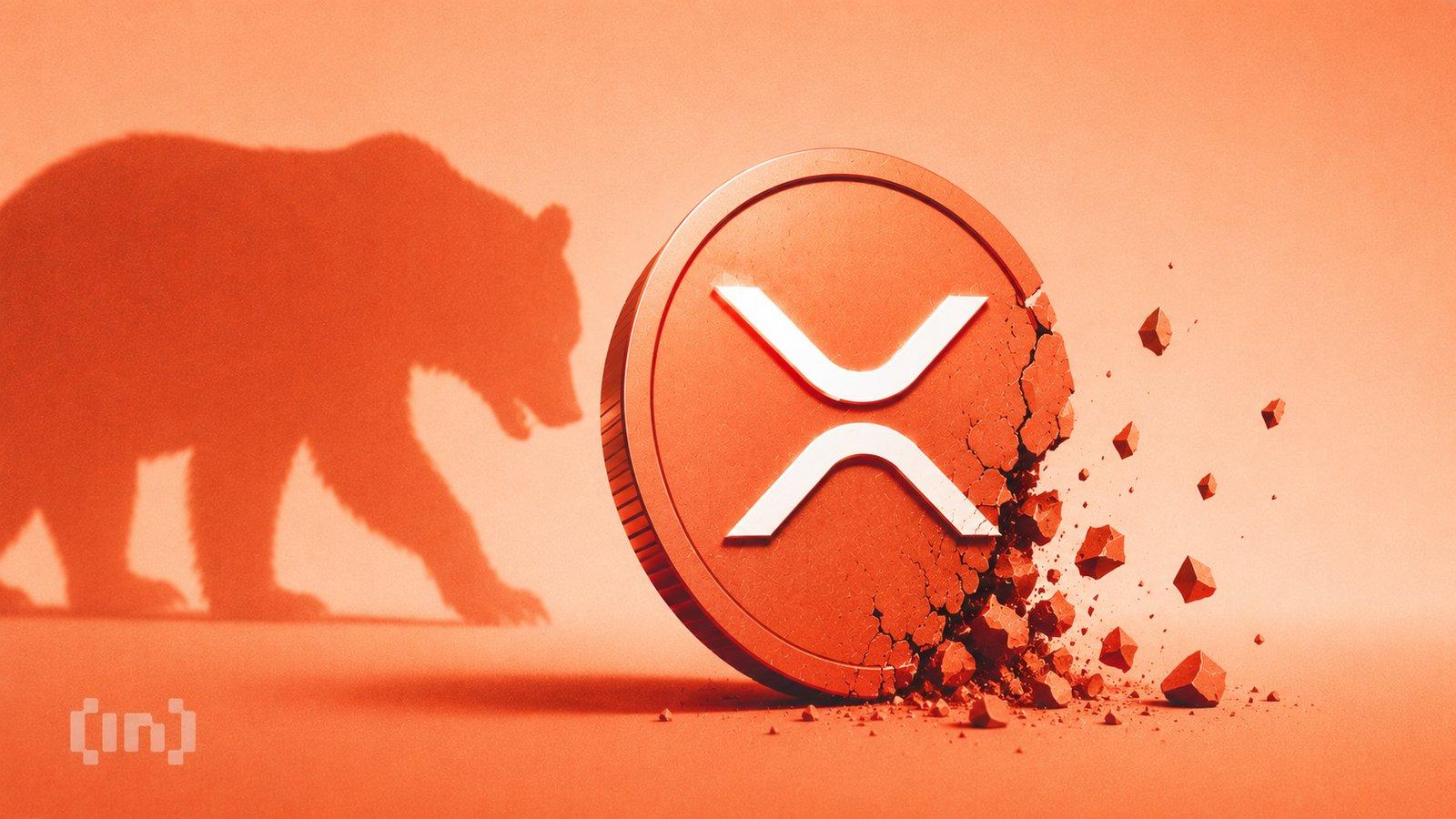
In early July, the demand for XRP showed a noticeable decline across various indicators, reflecting a measure of caution among traders and investors. Specifically, metrics related to on-chain activity, futures positions, and spot ETF flows exhibited weaker trends, pointing towards a reduced interest in the asset.
One of the most telling signs of this cooling demand is the drop in on-chain activity on the XRP Ledger. Data from Santiment revealed there were only 25,350 active wallets, marking one of the lowest daily counts for 2026. Furthermore, the creation of new wallets declined to just 2,130, the lowest volume since November 2024. According to analysts, this trend indicates that traders might be waiting for a substantial catalyst rather than attempting to capitalize on minor price fluctuations.
On the derivatives side, a similar pattern emerged. Reports indicated that the open interest for XRP futures on Binance fell to around 397 million XRP, the lowest figure observed in over three months. This downturn often suggests that traders are reducing their leveraged positions, indicating overall cautiousness. Although the decline in open interest is not outright bearish, it reflects a tapering of trader involvement in the derivatives space as many await clearer price signals.
Institutional interest in XRP has waned as well, with net outflows from US spot XRP ETFs totaling $7.29 million on July 8, the largest single-day withdrawal since March. This shift comes at a time when both Bitcoin and Ethereum ETFs saw positive inflows during the same week. In contrast, XRP recorded a red week, snapping a nine-week streak of inflows, which underscores the shift in market sentiment.
Indicators for a Possible XRP Recovery
Interestingly, despite the bearish signals, there is a viewpoint suggesting a potential rebound for XRP. Analyst Darkfost highlighted the extremely negative funding rates on Binance, which have set up a context that historically precedes a market reversal. Following a significant decline of about 70% from its peak in July 2025, such sharp pessimism can often hint at a possible trend turnaround. Darkfost pointed out that a similar scenario unfolded in April 2025, where XRP experienced a stunning rally of 126% after a comparable dip, showing that market sentiment can shift rapidly.
In addition to price movements, there are underlying growth factors that could re-engage users in XRP. Developments such as the increase in tokenized assets, rising payment use cases, and EVM sidechain expansion are areas to observe. If any of these narratives gain momentum, they could potentially revitalize on-chain activity and boost demand.
As the market navigates these dynamics, the next significant price movement for XRP appears reliant on whether these potential catalysts can stimulate a recovery in on-chain engagement.
This material is for informational purposes only, not financial advice.