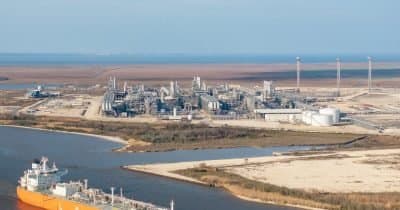
As the conflict in Iran continues to unfold, it has ignited a notable surge in investments in U.S. liquefied natural gas (LNG) infrastructure. According to insights from S&P Global, this increase comes in the wake of significant disruptions to crucial energy supply routes, particularly those passing through the Strait of Hormuz. "The situation has created a distinct shift in global energy dynamics, with many countries looking towards U.S. LNG as a more reliable source of energy," industry experts say.
The closure of the Strait of Hormuz, a key corridor for the flow of global gas supplies, has compounded an existing energy crisis, particularly as Qatar’s Ras Laffan LNG facility has also been shut down. This scenario has prompted buyers from Asia and Europe to seek alternatives, fundamentally changing their sourcing strategies and intensifying demand for U.S. exports.
Market responses indicate a lack of optimism regarding a quick resolution. The chances for normal traffic flow through the Strait have diminished, especially with pricing markers like the YES price falling to 11.5%. Traders are now carefully watching the developments surrounding the Iran conflict for any signs that might influence the status of this critical shipping lane. An announcement from Iranian authorities or shifts in military engagements could either ease or further complicate the current energy landscape.
As stakeholders assess the potential outcomes of continuing tensions, the implications for energy investments and pricing could be substantial. The situation remains fluid, and further military actions could solidify the rising trend in U.S. LNG reliance among countries looking for stable energy supplies.
This article is for informational purposes only and does not constitute financial advice.