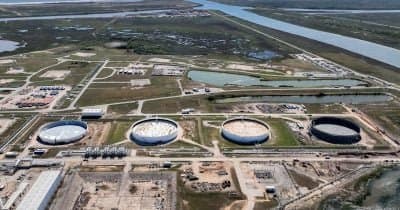
The US Strategic Petroleum Reserve (SPR) has plummeted to about 316.5 million barrels, marking its lowest point since 1983. This significant reduction follows a decision by the Trump administration to release 172 million barrels in response to tensions involving Iran.
How the Situation Unfolded
In March 2026, the United States initiated one of the largest emergency oil releases in recent history, part of a coordinated effort among International Energy Agency member countries that saw around 400 million barrels made available globally to stabilize oil supplies. By mid-July, the cumulative drawdown linked to the Iran situation had reached nearly 99 million barrels. With a total storage capacity of 714 million barrels, the SPR is now functioning at roughly 44% of its potential.
Prior to this, the lowest recorded level was around 347 million barrels in 2023, following releases sanctioned during the Biden administration aimed at curbing rising fuel prices. The current reserve level now falls below that mark by over 30 million barrels.
Market Reactions and Implications
The immediate aftermath of this depletion is an increased upward pressure on fuel prices. As the reserve shrinks, markets begin to factor in a higher risk premium for crude oil, which subsequently impacts gasoline and diesel prices for consumers. Observers are closely monitoring how this situation might affect broader economic factors, particularly considering the ongoing discussions regarding US fiscal health.
Refilling the SPR will likely require substantial financial resources, estimated in the tens of billions of dollars at current oil market rates, which could exacerbate existing government spending pressures amid a national debt crisis. The situation surrounding the SPR not only reflects immediate energy concerns but also raises questions about the long-term fiscal strategy of the United States.
This material is for informational purposes only and does not constitute financial advice.