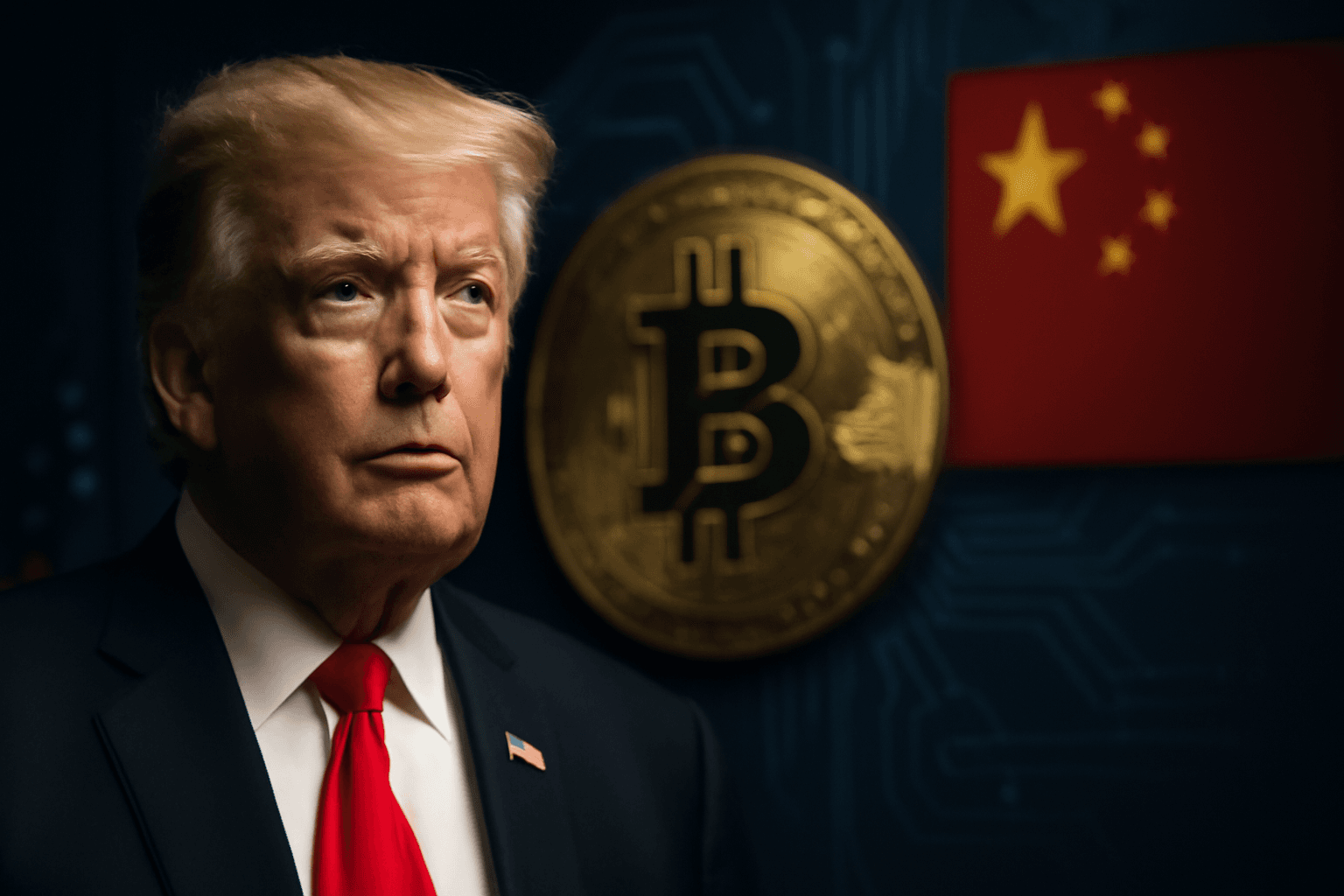
On July 13, President Donald Trump called on the Senate to prioritize the passage of the CLARITY Act, framing it as a crucial measure in the battle against China’s encroaching dominance in the cryptocurrency space. He asserted that China, alongside other nations, aims to usurp American leadership not only in digital finance but also in artificial intelligence.
The Urgency of Regulation
In a pointed message shared on Truth Social, Trump highlighted the stakes involved in the legislative process surrounding the CLARITY Act. He characterized cryptocurrency as a significant global financial development that could slip into the hands of competitors if not properly regulated. The proposed act is designed to establish a comprehensive federal framework governing digital assets, clarifying the roles of the Securities and Exchange Commission (SEC) and the Commodity Futures Trading Commission (CFTC). This includes important measures on asset classification, issuer disclosures, and trading platforms.
The House of Representatives passed its version of the bill with a notable bipartisan majority of 294-134 in 2025, with 78 Democrats backing it. However, the Senate is opting to draft its own legislation instead of adopting the House’s proposal, indicating ongoing negotiations that could shape the outcome of the CLARITY Act.
Political Ramifications
Trump’s appeal to the Senate also took a personal turn, as he referenced Senator Lindsey Graham, a prominent advocate for cryptocurrency who recently passed away. The senator had a well-documented history of support for digital assets, aligning with the Republican Party's increasing acceptance of the industry over the years. Trump’s remarks emphasized the urgency of Graham’s legacy and the potential impact of the legislation on the future of American innovation.
Moreover, the Senate Banking Committee has begun to advance its version of market structure legislation, while the Agriculture Committee has separately focused on broadening the CFTC’s oversight of digital commodities. The convergence of these legislative efforts indicates that lawmakers are keenly aware of the competitive landscape as they work towards a final agreement.
As Trump pushes for swift action, the implications for the broader cryptocurrency market become increasingly clear. A failure to establish a robust regulatory framework could allow international competitors to take the lead, thereby diminishing the United States' influence in the evolving digital economy.
This material is for informational purposes only and should not be considered financial advice.