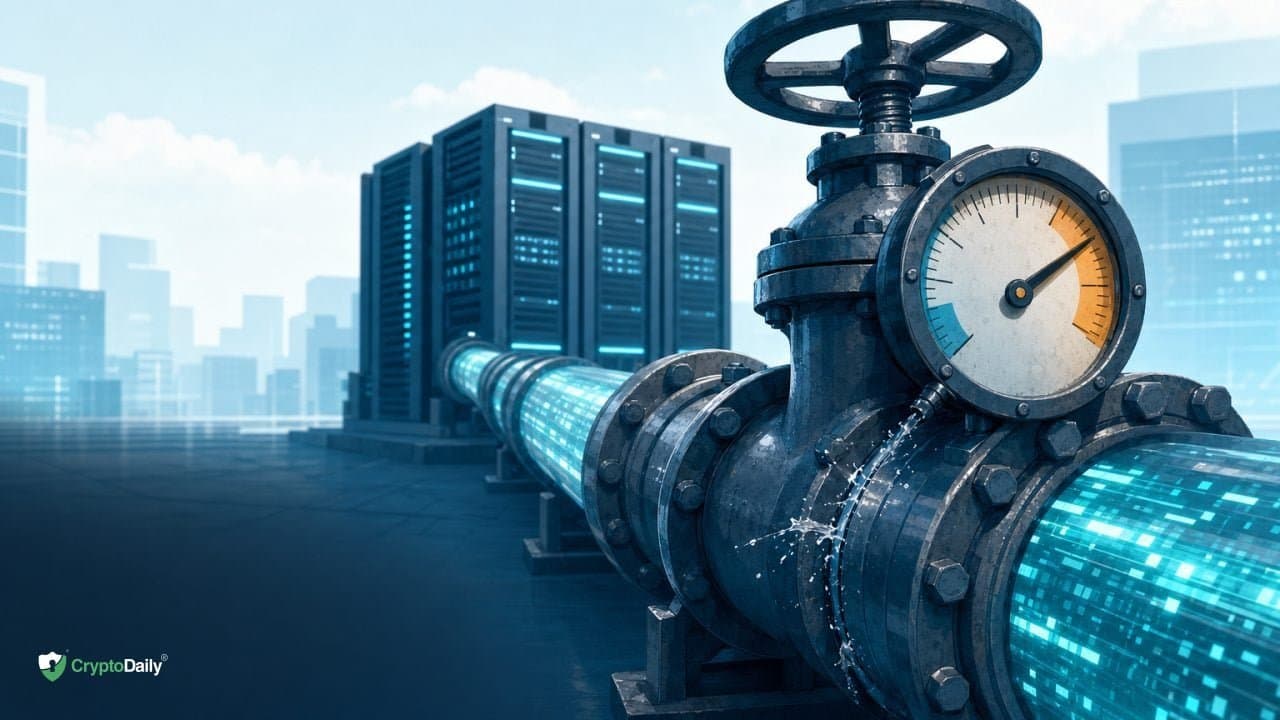
The excitement surrounding AI investments is evolving into a demand for accountability. Major players in the S&P 500 are investing unprecedented amounts into infrastructure such as chips, power, and data centers. However, the pressing question remains: when will these investments begin to yield returns?
This situation has transcended mere hype it's now a serious cash-flow evaluation. If these hefty expenditures start to squeeze profit margins or escalate debt without tangible returns, the current trend could quickly turn into a precarious gamble for the index's top investors.
Understanding the Payback Proof
According to estimates from FactSet, capital expenditures for leading AI hyperscalers are projected to reach approximately $725 billion by 2026. This figure encompasses everything from GPUs to new data centers, indicating a massive financial commitment. However, this level of spending raises concerns about cash flow. In fact, forecasts suggest that by Q3 2026, capital expenditures will surpass operating cash flow, with companies like Oracle already experiencing this shift.
Furthermore, external financing is becoming increasingly important. As free cash flows decline, the five largest AI hyperscalers have accounted for over 15% of the year-to-date US investment-grade bond issuance, marking a significant change from their previous reliance on internal cash for growth. The Bank of England has noted this trend in its latest Financial Stability Report.
Looking ahead, the need for funding AI chips is staggering, with JP Morgan estimating that over $2 trillion will be required in the next five years. This encompasses a wide range of stakeholders, from semiconductor vendors to cloud service providers who must maintain adequate capacity for their customers.
Ultimately, the focus should be on free cash flow as the critical factor. The real challenge lies not in the ability to spend, but in how swiftly that spending converts into sustainable cash returns that enhance margins.
Investors should keep a close eye on AI revenue disclosures, unit economics, and other indicators that may signal when these substantial investments will bear fruit.
This material is for informational purposes only and should not be considered financial advice.