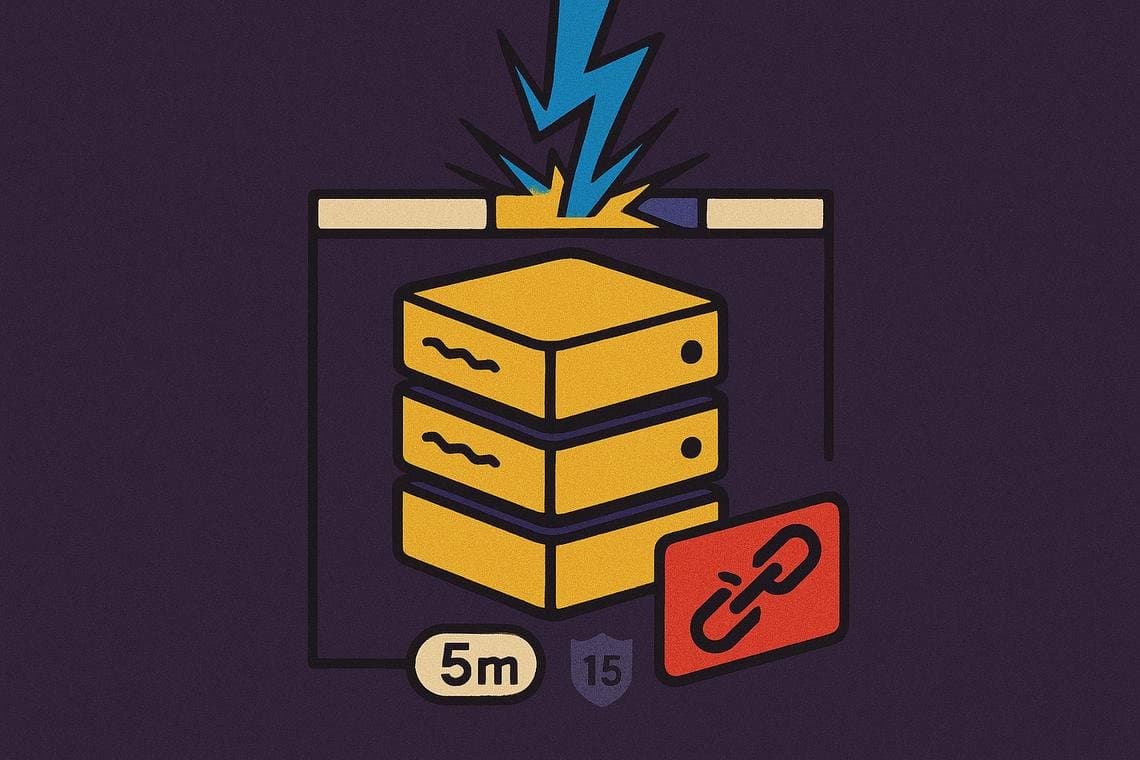
A recent study by researchers from Stanford University and Singapore Management University has uncovered troubling evidence of market manipulation within short-duration Bitcoin prediction markets on Polymarket. The investigation highlights how these markets, which settle every five minutes, created significant opportunities for traders to exploit the spot price of Bitcoin, leading to an estimated $1.28 million being siphoned from unsuspecting traders.
The mechanics of these prediction markets are straightforward. They ask a simple question: will Bitcoin's price close above or below a predetermined level after five minutes? However, because the contracts rely on Chainlink price feeds that capture Bitcoin's spot price at the end of each five-minute timeframe, it becomes possible for traders to influence the price just before the contracts settle.
The study, conducted after the introduction of these markets in July 2024, observed distinct trading patterns. Before the end of each settlement period, there was a noticeable spike in order flow, followed by rapid reversals in price. This behavior strongly indicates intentional manipulation, as traders would push prices in one direction only to see them snap back shortly after. Such market manipulation is not merely a coincidence; it aligns with the inherent incentives created by the five-minute structure of these contracts.
When the settlement price is determined by a single snapshot, even a brief, artificial price shift can drastically alter a contract's outcome. As a result, for those holding a substantial position, it can be financially advantageous to move the market temporarily. The financial impact on retail traders has proven to be significant, with the study quantifying a total loss of approximately $1.28 million due to this manipulated trading behavior.
Interestingly, the researchers found that extending the duration of these contracts from five minutes to fifteen minutes largely mitigated the manipulation effect. This suggests that a simple adjustment in market structure could protect everyday traders from such exploitative tactics.
This material is for informational purposes only and is not financial advice.