Standard Chartered Achieves MiCA Authorization as ESMA Includes 37 Additional Crypto Companies

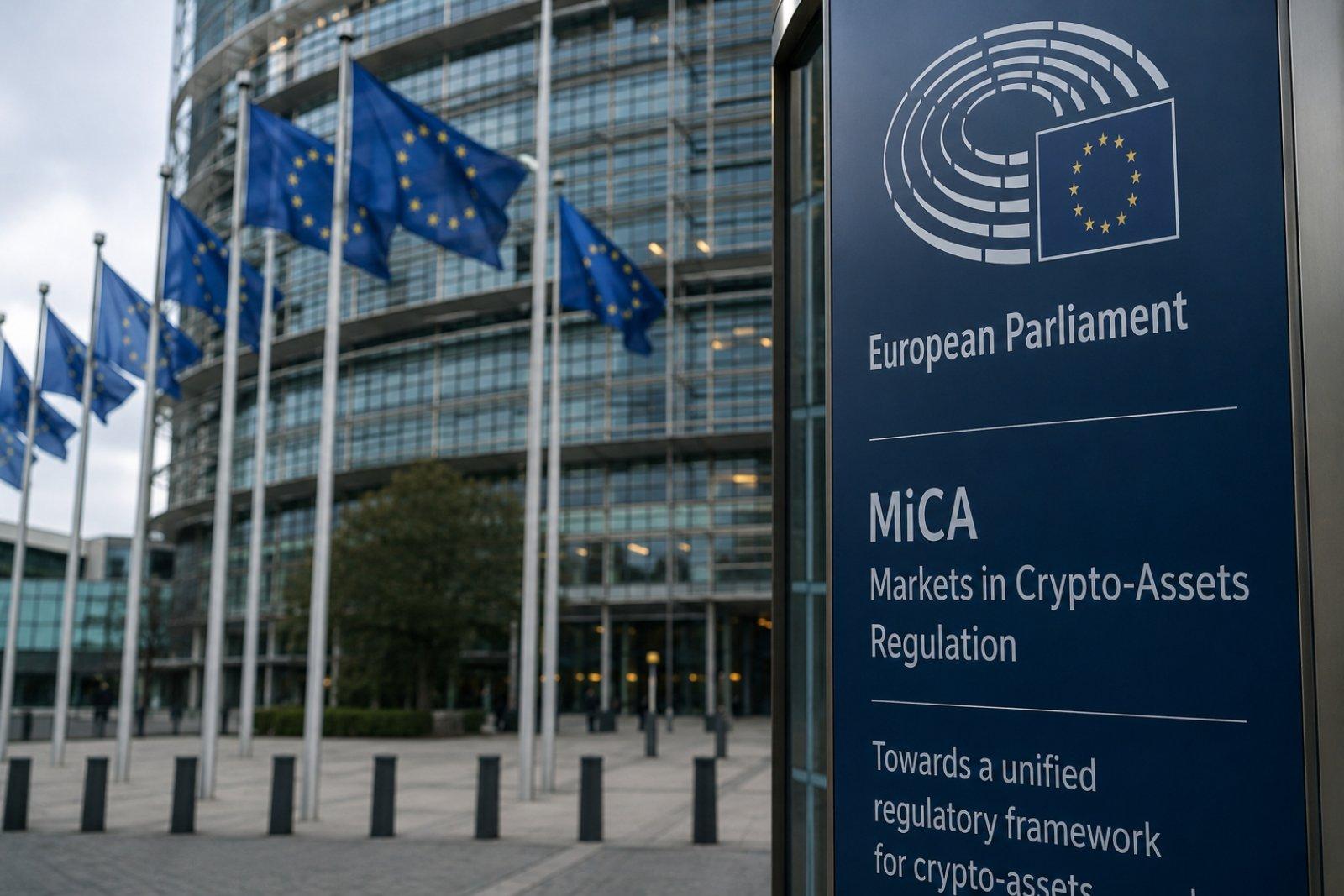
On June 29, Standard Chartered successfully obtained its MiCA (Markets in Crypto-Assets) license, marking its entry into a group of 37 newly registered businesses announced by the European Securities and Markets Authority (ESMA). This brings the total number of licensed crypto service providers in the European Union (EU) to 280.
First Major Licensing Surge Post-MiCA Transition
This latest batch of licenses represents the first significant issuance of licenses following the end of MiCA's transitional period on July 1. Firms that previously operated under national regulations are now barred from serving EU clients if they failed to secure a license by the deadline.
The updated ESMA register is revised weekly, with the newest report showing an increase in authorized crypto-asset service providers (CASPs) by 37 from the last update. This surge can be largely attributed to the impending deadline, as MiCA's Article 143 allowed firms to operate under national rules only until the cutoff date.
NotableNew Entrants and Market Dynamics
The new additions include a mix of traditional finance institutions and crypto-specific firms. Prominent players like US-based prime broker FalconX and European firm Sygnum have gained CASP recognition, alongside Crédit Agricole’s CACEIS, which is now listed as an e-money token issuer.
Geographical Landscape of MiCA Licenses
Germany currently leads the MiCA licensing landscape with 57 registered firms, followed by France with 31 and the Netherlands holding 26. Malta and Cyprus each host 20 licensed entities. This distribution highlights Germany's early advantage, as its financial regulator, BaFin, had begun licensing crypto custody services years before the adoption of MiCA.
Transition to European Operations for Standard Chartered
Standard Chartered's acquisition of MiCA and Electronic Money Institution (EMI) licenses through Standard Chartered Luxembourg S.A. marks a significant transformation for the bank. Established in 2025, this entity enables the bank to expand its digital asset custody services across the EU, moving beyond the previous limitation of operating solely under Luxembourg’s national regulations.
CEO Laurent Marochini expressed excitement over the attainment of these licenses, stating, “We are delighted to have obtained our MiCA and EMI licenses, which enables us to progressively expand services to clients across Europe. This landmark authorization reflects our strategic choice of Luxembourg...”.
Luxembourg has effectively positioned itself as a key MiCA gateway, hosting licenses for notable companies such as Coinbase and Ripple’s preliminary MiCA CASP license.
Mixed Reactions to Banking Involvement in Crypto
Despite the positive developments, not every observer has responded enthusiastically. Some in the crypto community have expressed skepticism about the banking sector’s increasing involvement in the digital asset space, illustrating a cautious relationship between traditional finance and cryptocurrency innovation.