MiCA 2026: The Future of Cryptocurrency in Europe Unveiled
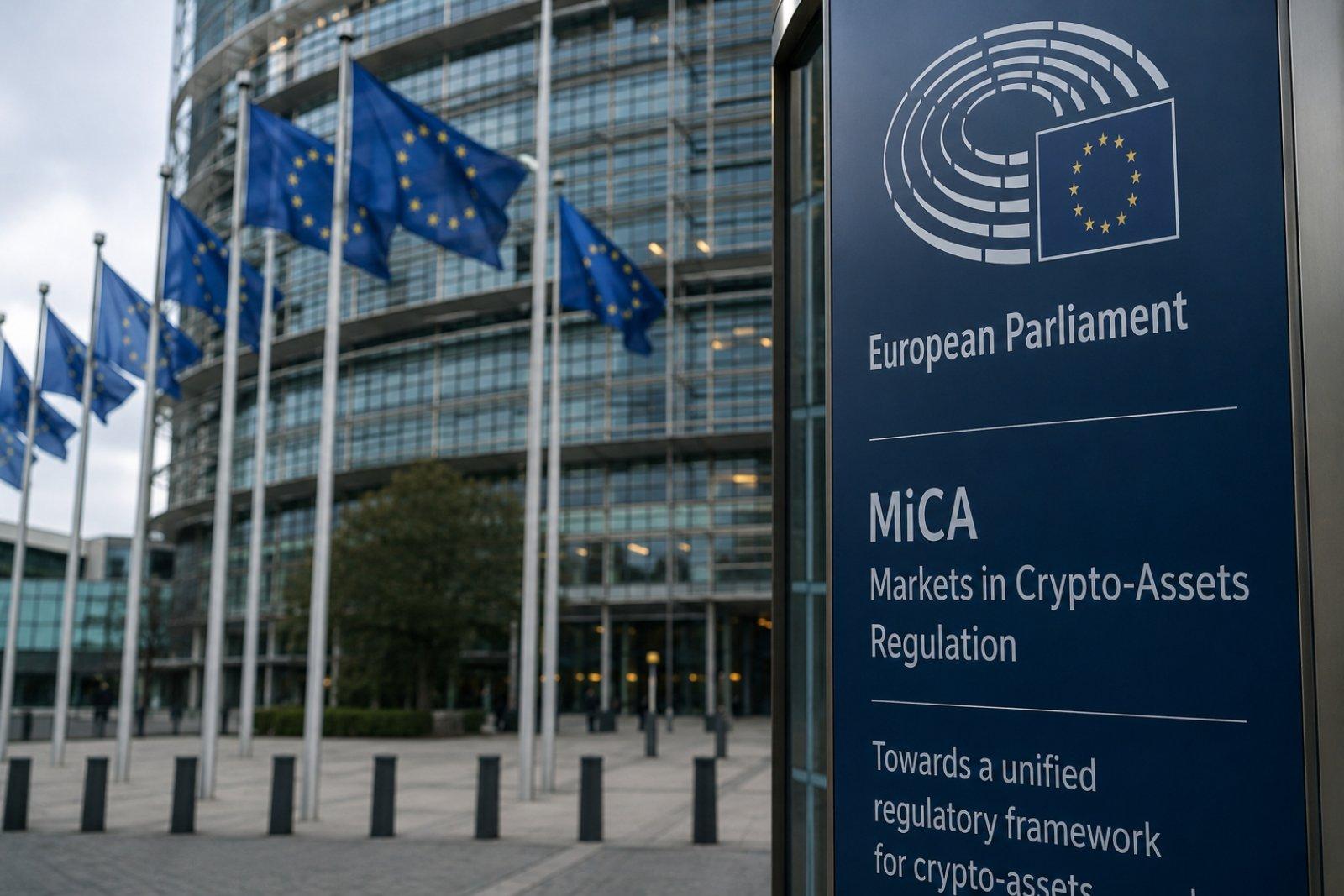
The European Union has reached a significant milestone with the full implementation of its groundbreaking Markets in Crypto-Assets Regulation (MiCA) as of July 2026. This marks the close of a long transition period for cryptocurrency firms operating within all 27 member states, ushering in a new era of regulatory oversight that will reshape the landscape of the digital asset industry.
Understanding MiCA
MiCA, officially known as Regulation (EU) 2023/1114, aims to establish standardized rules for the crypto market across the EU, enhancing consumer protection and providing legal clarity for businesses. This is particularly important as it eliminates the patchwork of regulations previously enforced in individual countries.
Under this regulation, firms can now secure a single authorization from a national regulator, which grants them the ability to offer their services throughout the European Union, thanks to the regulation's passporting mechanism. This consolidates the regulatory framework, making operations more efficient for crypto-asset issuers and Crypto-Asset Service Providers (CASPs), such as exchanges, brokers, and custodians.
The Implementation Timeline
MiCA's rollout began in stages after its initial enforcement in June 2023. Noteworthy milestones included:
- June 2024: Stablecoin regulations became applicable.
- December 2024: Crypto service provider regulations came into effect.
- July 1, 2026: The transitional period ended, requiring firms to hold a MiCA authorization to legally serve EU customers.
This comprehensive approach not only regulates market conduct but also introduces critical measures to improve transparency, prevent market abuse, and ensure the safeguarding of customer assets. These steps are crucial for building trust in the cryptocurrency ecosystem.
Implications for the Future
The conclusion of the transitional phase raises questions about the future of cryptocurrency in Europe. For users, this new level of regulation could bring enhanced safety and legitimacy to their investments. However, it also poses challenges, as firms that hesitate to adapt to the new regulations may find themselves unable to operate within the EU.
As the digital asset sector continues to evolve, the MiCA regulation stands as a pivotal point in determining how cryptocurrencies will thrive under structured governance in Europe.