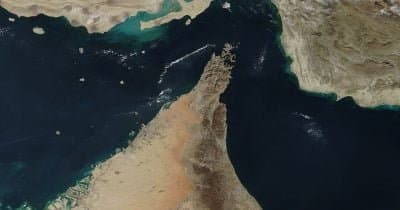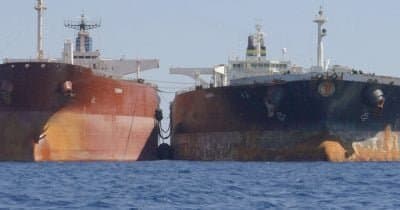
The pressure on global energy markets is mounting as Russia struggles to sell its crude, with at least 12 oil tankers idling off the coast of Oman. The situation is becoming increasingly dire for Moscow, given that these tankers are filled with Urals crude and some have been waiting for buyers since mid-December 2025.
In the four weeks leading up to January 11, Russian crude exports averaged 3.42 million barrels per day. However, the floating inventory has risen significantly, reaching levels not seen in early 2026, indicating a bottleneck that’s crippling Russia’s energy revenues at a critical time.
Stalling Purchases from Key Buyers
December 2025 saw Russian seaborne inventories jump by 48% to approximately 185 million barrels. Early January data suggests that this issue is not only persisting but could be worsening. The main culprit appears to be a slowdown in purchases from India, which had emerged as a key buyer following Western sanctions on Russian oil in 2022. Meanwhile, delays in shipments to China due to extended voyage times further complicate the situation.
What happens next largely hinges on Indian refiners. If they ramp up purchases again, the backlog of tankers might clear quickly. Conversely, if the slowdown continues into February, the oversupply scenario could intensify, putting significant downward pressure on global crude benchmarks.
Impact on Russia's Economy
The urgency of this situation cannot be understated. Oil and gas revenues are crucial for funding Russia's budget, meaning that every idle tanker represents lost revenue. With limited options on the table, Russia may respond by discounting prices to attract buyers or diverting cargoes to smaller markets that are less traditional. Reducing overall export volumes is also a possibility.
The benchmark of 185 million barrels from December 2025 will be key in monitoring this situation. Should January’s data exceed that figure, it would indicate a worsening scenario for Russia’s already strained energy market.
This material is for informational purposes only and does not constitute financial advice.