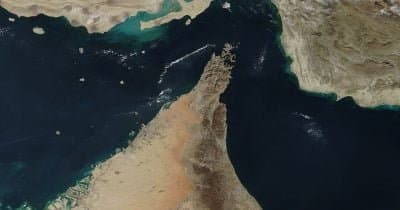
The recent missile strikes by Iran on UAE supertankers have resulted in one fatality and several injuries, escalating concerns over the security of a crucial shipping route that accounts for 20% of the world's oil trade. This incident has sparked urgent calls for international action, particularly from the United Nations, as the UAE's Ministry of Defense condemned the attacks as a blatant breach of international law.
On July 13-14, Iranian cruise missiles targeted two supertankers owned by the UAE in the Strait of Hormuz, a critical chokepoint for global energy logistics. Among the injured were six Indian and two Ukrainian crew members, intensifying the geopolitical tensions that have characterized the region throughout 2026. Sultan Al Jaber, CEO of ADNOC, labeled these actions as "global economic warfare," highlighting the far-reaching implications for international energy markets.
Geopolitical Implications and Unified Response
The Gulf nations have quickly rallied in support of the UAE, forming a united front aimed at prompting formal UN action against Iran. This solidarity shows the potential for a significant shift in regional dynamics, as nations reconsider their defense strategies in light of these provocative acts. The impact of these attacks may extend beyond military responses, affecting economic policies and energy trading frameworks throughout the region.
Impact on Energy Markets and Crypto Trading
The fallout from these missile strikes could reverberate throughout the energy sector, particularly affecting cryptocurrency traders linked to oil prices. The Strait of Hormuz is paramount for energy logistics; with 20% of global oil transit occurring here, any disruption raises the stakes significantly. Investors should be alert to three crucial indicators: the correlation between Bitcoin and oil prices, the trading volumes of tokenized energy assets, and the flow of stablecoins on UAE-based exchanges. These metrics will clarify whether the market perceives this as a major event or merely background noise.
Furthermore, the rise in insurance premiums for vessels navigating the Strait may lead to increased costs passed on to consumers and businesses globally, impacting energy prices. The situation is fluid, and the implications extend beyond the immediate crisis, potentially reshaping how nations engage with energy security and economic stability.
This article is informational and not financial advice.