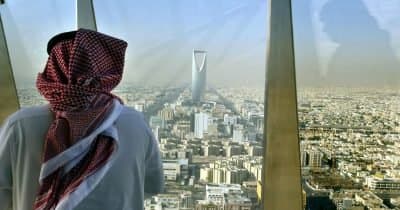
The recent military confrontations involving the United States, Israel, and Iran are casting a long shadow over Riyadh's ambition to reshape its cultural landscape. Former ambassador Michael Ratney highlights that the conflict has already manifested in missile and drone strikes targeting crucial Saudi infrastructure, including the Prince Sultan Air Base and Aramco facilities.
These escalating tensions threaten not just security but also the very fabric of Riyadh's modernization efforts. Direct attacks from Iran on the Saudi capital put a significant strain on the kingdom’s plans for a more open and progressive society. As the region seeks stability through a peace agreement and the reopening of the Strait of Hormuz, Riyadh's cultural transformation hangs in the balance.
Impact on Future Negotiations
Market indicators reflect growing skepticism regarding a potential US-Iran deal slated for 2026. Prices in the decision-making markets have dropped, signaling diminished confidence among investors. The ongoing geopolitical strife suggests that the chances of achieving a comprehensive agreement, especially regarding reconstruction funding and uranium enrichment, are becoming increasingly slim.
As tensions continue to rise, observers are closely watching for further military actions or diplomatic maneuvers that could sway market sentiment. Key developments from mediators in Qatar and Pakistan, alongside shifts in US or Iranian diplomatic stances, will play a key role in determining the viability of any future agreements.
Looking Ahead
The dynamics in the Middle East are complex and fluid. As the situation evolves, the implications for Riyadh's cultural initiatives and broader geopolitical stability will be significant. The fate of the peace talks and the strategic importance of the Strait of Hormuz will be critical in shaping the future landscape of Saudi Arabia and its aspirations for modernization.
This article is for informational purposes only and does not constitute financial advice.