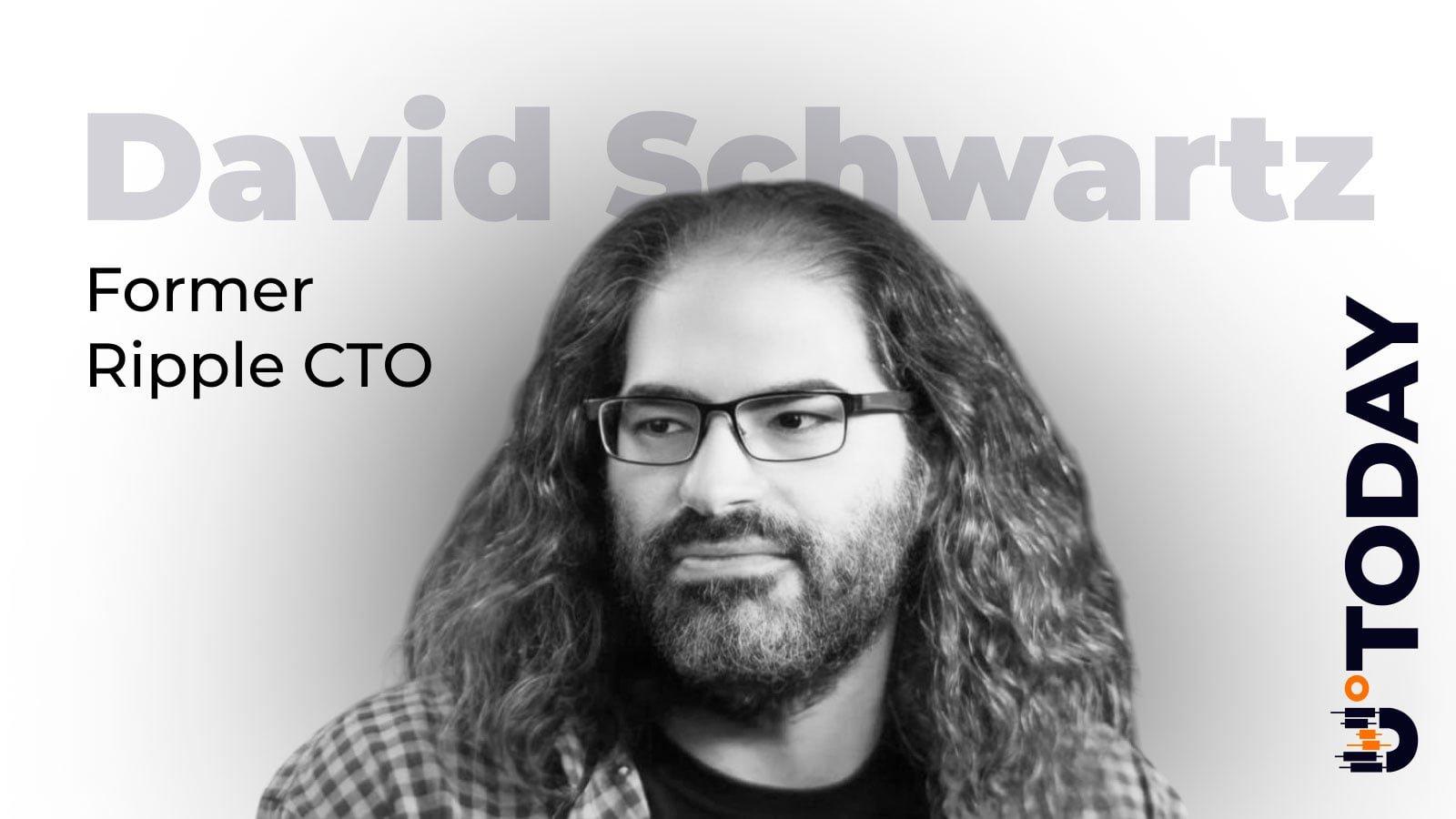
In a recent discussion about cryptocurrency network fees, Ripple's Chief Technology Officer Emeritus David Schwartz criticized the long-standing notion that high transaction costs equate to a robust network. This debate was reignited by a new post from a user on social media who previously commented on XRP in 2024, referencing a Forbes article that highlighted Ripple's early intentions to provide affordable payment solutions.
The discussion highlighted Ripple's growth and reflected on how its founders, including Jed McCaleb, Arthur Britto, and Schwartz, initially envisioned XRP as an element of a new financial framework characterized by speed and minimal transaction fees.
Examining XRP's Value Proposition
The post raised questions regarding whether XRP has generated substantial value and utility in the real world, suggesting that the crypto's market capitalization appears disproportionately high in relation to network fees and actual activity levels.
Schwartz's input came as part of an ongoing investigation into whether rising fees are indicative of a healthier ecosystem, a viewpoint he deemed 'truly bizarre.' While the original commentary did not explicitly target XRP, it cast doubt on the crypto's overall utility.
The Ongoing Debate
Critics of XRP have long correlated high transaction fees with increased network activity. However, Schwartz firmly argues that XRP's characteristic low fees should be seen as a positive aspect, contradicting the perspective that more costly networks are inherently more valuable. The philosophical foundation of XRP's design emphasizes lower fees, making this perception pivotal for its reputation.
In drawing from the recent discussions on MiCA regulatory impacts and projections for industry valuations, Schwartz reinforces the idea that ecosystem health should not be measured solely by the willingness of users to pay higher fees.