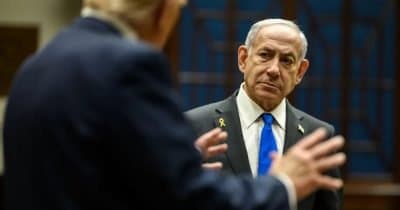
Israeli Prime Minister Benjamin Netanyahu’s recent tour of the Shimon Peres Negev Nuclear Research Center has heightened fears of potential military conflict in the region. This visit coincides with escalating tensions between Israel and Iran, particularly following the breakdown of a ceasefire between Saudi Arabia and the Houthi rebels in Yemen.
Analysts believe that Netanyahu's actions could signify a pivot towards more aggressive confrontations, undermining ongoing diplomatic initiatives related to the US-Iran nuclear agreement. The fallout from these geopolitical shifts is palpable, as market predictions regarding a potential US-Iran deal by August 2026 have plummeted to just 1.6% probability, a stark decline from previous forecasts.
Furthermore, confidence in key aspects of any potential agreement is waning. For instance, the market now estimates just a 26% chance that Iran Reconstruction Funding will be included in the deal, indicating a broader skepticism about diplomatic negotiations amidst increasing military readiness.
What to Monitor Next
Observers are urged to keep a close watch on military movements and diplomatic communications from Israel, Iran, and Saudi Arabia. Any shifts could significantly impact market sentiment and the likelihood of a US-Iran nuclear deal. Additionally, statements from the United States and Iran, as well as potential mediation by international players, will be crucial in determining the future of these negotiations.
This material is informational and should not be considered financial advice.