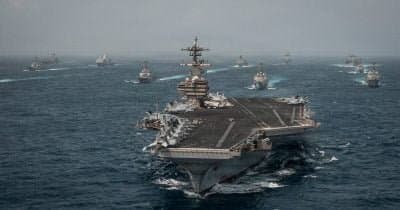
Recent developments have significantly heightened tensions between the United States and Iran, with the collapse of a ceasefire triggering renewed military actions. The latest reports indicate that the U.S. has reinstated a naval blockade and resumed airstrikes, while Iran has retaliated by targeting U.S. bases and threatening energy exports.
As of mid-July 2026, the market reflects a stark shift in sentiments regarding the potential for diplomatic resolutions. The odds of a U.S.-Iran agreement that would include reconstruction funding have dropped from 40% to just 26% in the past week, suggesting that participants are increasingly doubtful about any fruitful negotiations materializing this year.
The repercussions of these military escalations are significant, especially concerning the Strait of Hormuz, a vital passage for global crude oil shipments. Analysts fear that the intensifying conflict could severely disrupt oil flows, with implications for both regional stability and broader economic conditions worldwide.
Current Military Movements and Political Implications
In light of the ongoing strikes, observers are closely watching for further military engagements and any potential diplomatic overtures that may arise. Key figures, such as U.S. President Donald Trump and Iranian Foreign Minister Javad Zarif, hold considerable sway over the evolving situation. Any attempts to resume negotiations or efforts toward another ceasefire could alter the current trajectory, shifting market perceptions.
In addition, threats towards the Strait of Hormuz are anticipated to create significant volatility in market pricing, reflecting a deeper apprehension regarding regional peace and economic stability. As tensions continue to rise, various stakeholders are left grappling with the potential fallout.
This material is for informational purposes only and does not constitute financial advice.