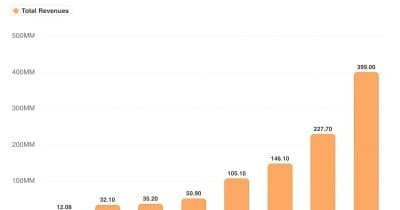
Nebius Group has successfully secured $775 million in funding to enhance its AI cloud services, achieving this milestone without issuing any new shares. The company, which was previously part of Yandex, finalized its first senior secured debt facility on July 17, 2026, designed specifically to prevent equity dilution.
The debt agreement is structured with a rate of Term SOFR + 2.50% and is set to mature on October 31, 2030. This timeline allows Nebius approximately four years to effectively utilize the capital and start generating returns.
Notably, this facility is asset-backed and secured through cash flows from Nebius's existing GPU infrastructure. A critical factor in this deal is the impressive backing of over $40 billion in customer commitments, which shows the revenue potential supporting this financing.
The funds will primarily be allocated to accelerate the development of Nebius's comprehensive AI cloud platform, with a key objective of expanding large GPU clusters to accommodate the growing demand from AI-native companies and enterprise clients alike. The company is also fostering a strategic partnership with NVIDIA to enhance its GPU offerings and is moving toward asset-light partnership models to scale operations more efficiently.
Transition from Yandex to Nebius
Nebius underwent a significant transformation in August 2024 when it rebranded from Yandex N.V. after divesting its Russian assets for $5.4 billion. This strategic move allowed the company to distance itself from its prior identity as Russia's equivalent of Google and redefine itself as a dedicated AI infrastructure provider targeting a global market. Now publicly traded on NASDAQ under the ticker NBIS, Nebius presents a fresh face in the tech landscape.
For investors, this shift to debt financing rather than equity raises is a calculated decision. With substantial customer commitments indicating strong revenue visibility, Nebius appears capable of managing debt at a favorable rate while safeguarding shareholder interests. However, a critical aspect to monitor is execution risk. Successfully converting the $40 billion in commitments into realized revenue will be essential. The distinction between contracted demand and actual cash flow will ultimately determine the success or challenges of this financing strategy as the maturity date approaches.
This material is for informational purposes only and should not be considered financial advice.