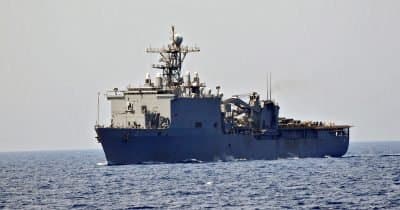
Iran has launched a strike on facilities supporting US naval operations in Oman, escalating a long-standing regional tension into a direct military engagement. This sudden escalation is sending ripples through the cryptocurrency markets, as traders brace for the implications of heightened geopolitical risks.
The airspace over the Strait of Hormuz, which is crucial for the transportation of oil globally, has been particularly volatile. Any threat to this key waterway could have major implications, not just for oil prices but for various risk assets including cryptocurrencies.
Rising Military Tensions
This conflict has been building for months, with Iranian military actions against US forces intensifying since May 2026. Reports surfaced in early June that Iranian forces allegedly launched missile and drone strikes against US Navy destroyers in the Sea of Oman, though US Central Command refuted these claims.
Adding fuel to the fire, Iranian military officials also declared operations targeting US installations in Bahrain, Kuwait, Jordan, and Qatar. Given Oman's historical role as a mediator, its naval infrastructure has now turned into a prime target.
As tensions mount, Bitcoin's price has already felt the heat, plummeting to around $62,275 in early July, with its fall below $70,000 mirroring the spikes in US-Iran hostilities. The trend extends beyond Bitcoin, as oil-linked futures on platforms like Hyperliquid experienced a rise of over 5% following US-Israeli strikes earlier in the year, highlighting how intertwined these markets have become.
In Iran, local crypto trading has also taken a hit, with approximately $3 million shifting hands during periods of conflict. Internet blackouts, a tactic employed by Iranian authorities to quell unrest, have further stifled crypto activity. The situation reflects a broader trend where military tensions impact domestic financial systems, leading to fluctuations of user engagement and asset transactions.
Markets are now keenly observing the situation, as the risk of a commodity supply shock looms large. The developments have already made platforms like Hyperliquid key for gauging how traders are pricing geopolitical instability, with open interest in oil contracts signaling potential for sustained market disruption.
This article is for informational purposes only and does not constitute financial advice.