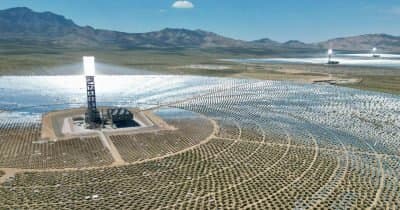
In a significant move for renewable energy, Meta has secured a deal to purchase every watt of power generated from the upcoming Waterloo Solar project, which is set to be the largest solar installation in the US. This agreement marks Meta's aggressive strategy in the renewable energy sector as it seeks to support its expanding data center operations.
The Waterloo Solar project, developed by RWE, will have a capacity of 200 MW, sufficient to supply approximately 40,000 homes. However, all of the electricity generated will go towards Meta's energy needs, highlighting the company's focus on building a sustainable operation as more data centers emerge across the nation.
This latest agreement follows two other significant contracts between Meta and RWE, which include a 274 MW project in Illinois and a 100 MW facility in Louisiana. Collectively, these arrangements demonstrate Meta's commitment to securing solar energy, with three separate power purchase agreements now in place with the German energy company.
In an additional deal finalized in July 2025, Meta acquired the entirety of the energy output from Enbridge’s 600 MW Clear Fork solar facility in Texas, with an investment estimated at $900 million. This pattern of procurement suggests a solid strategy for energy acquisition within the tech sector.
Meta is not alone in this race. Amazon has recently been approved to secure a 1.2 GW solar-plus-storage project in Oregon, which vastly outstrips Meta's Waterloo initiative, emphasizing a broader trend among tech conglomerates to invest heavily in renewable energy sources.
For investors in renewable energy, the indications are clear. The demand from large tech companies is establishing a reliable market for solar projects, which previously faced challenges securing financing. As companies like Meta enter into long-term power purchase agreements, they assure a steady revenue stream for developers, reducing financial risks and attracting future investment.
RWE, the entity behind the Waterloo project, stands to benefit significantly from this evolving landscape, as does Enbridge with its involvement in the Clear Fork initiative. However, concerns remain about the long-term viability of such arrangements, considering potential fluctuations in tech demand or significant alterations in companies' operational strategies.
This article is for informational purposes only and does not constitute financial advice.