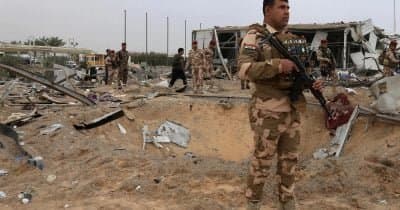
Iraq’s President Abdul Latif Rashid made a firm declaration that his country will not be a stage for external powers to clash or settle disputes. This stance emerges at a time when missile and drone strikes from Iran have targeted U.S. and Kuwaiti bases, crossing into Iraqi airspace and escalating tensions in the Middle East.
Defending Sovereignty in a Volatile Region
Rashid’s statement signals a clear attempt to steer Iraq away from becoming enveloped in the growing US-Iran conflict. The ballistic missile and drone attacks, conducted by Iranian forces, violated Iraqi sovereignty, putting the country in a difficult position as pressure mounts from both sides. The President emphasized Iraq’s commitment to peaceful international relations, grounded in mutual respect rather than becoming a battleground.
Market Reactions and Geopolitical Ripples
Financial markets have begun pricing in the possibility that Iraq’s firm position may temper Iranian military ambitions against Gulf nations. Current forecasts show about a 54.5% chance of further Iranian action as of July 22nd, indicating cautious optimism among analysts. If Iraq succeeds in reducing its involvement, it could moderate the regional volatility that has rattled investors and governments alike.
Watching Regional Dynamics Unfold
Attention now turns to how Iran and neighboring Gulf states will respond to Iraq’s stance. Further statements from Iraqi leaders will be key in signaling whether this position will hold or shift under pressure. Diplomatic efforts, potentially involving mediators like Qatar or Oman, could influence whether the conflict escalates or cools. These developments could also impact ongoing tensions, such as those witnessed when Jordanian forces intercepted drones amid the regional unrest.
This material is for informational purposes and does not constitute financial advice.