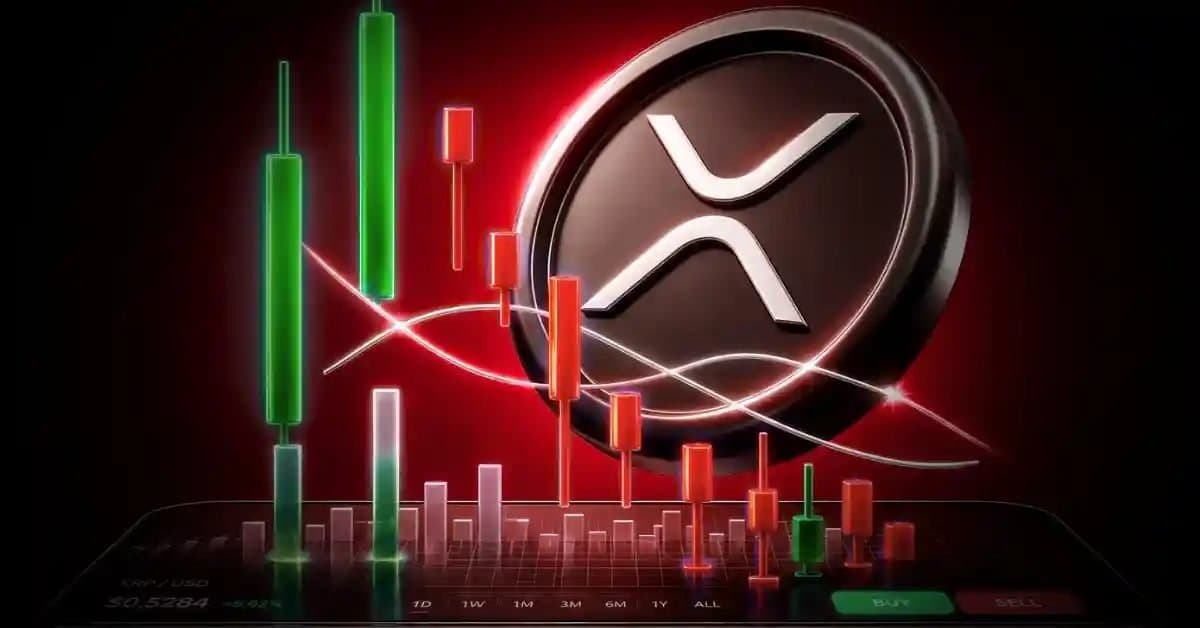
Imagine holding 500 XRP today, priced roughly at $1.08 each. That stash is worth about $540. But what might happen to its value by the end of 2026? One market analyst sketches three distinct scenarios that could take this modest investment anywhere from a simple rebound to a major windfall.
The first scenario is cautious optimism. If XRP manages to regain some momentum but stays below its previous highs, those 500 coins might climb to around $2 each. That would nearly double your initial holding, pushing the total value close to $1,000. It’s not a fortune, but a solid return in the volatile world of crypto.
Then there’s the middle ground, where XRP benefits from broader market growth, regulatory clarity, or increased adoption. Here, the price could reach $5 per coin. Suddenly, your 500 XRP investment transforms into $2,500. That kind of gain would turn heads, especially for those who bought in when XRP hovered near a dollar.
The most bullish outlook paints a very different picture. If XRP experiences a major breakout, perhaps driven by new partnerships or a surge in institutional interest, prices could soar as high as $10 or more. At that level, those 500 XRP would be worth $5,000 or beyond, enough to change lives for many holders.
Backing these projections are current market factors. The total crypto market cap sits near $2.19 trillion, indicating a sizeable yet fluctuating space where coins like XRP compete for attention and investment. Past performance and upcoming events will shape how XRP moves. Regulatory developments and its ongoing legal challenges also weigh heavily on its price swings.
For investors keeping an eye on crypto, XRP’s trajectory is a compelling story. It’s not just about numbers but how shifts in technology and regulation might unlock new value. Meanwhile, other digital assets face their own tests. For instance, Bitcoin is eyeing a rise to $76,000 before a potential dip around the 2026 midterm elections, showing how timing and external factors matter across the board.
This article is for informational purposes only and does not constitute financial advice.