Iran’s Crypto-Linked Spy Accused of Selling Classified Israeli Information for Just $1,379
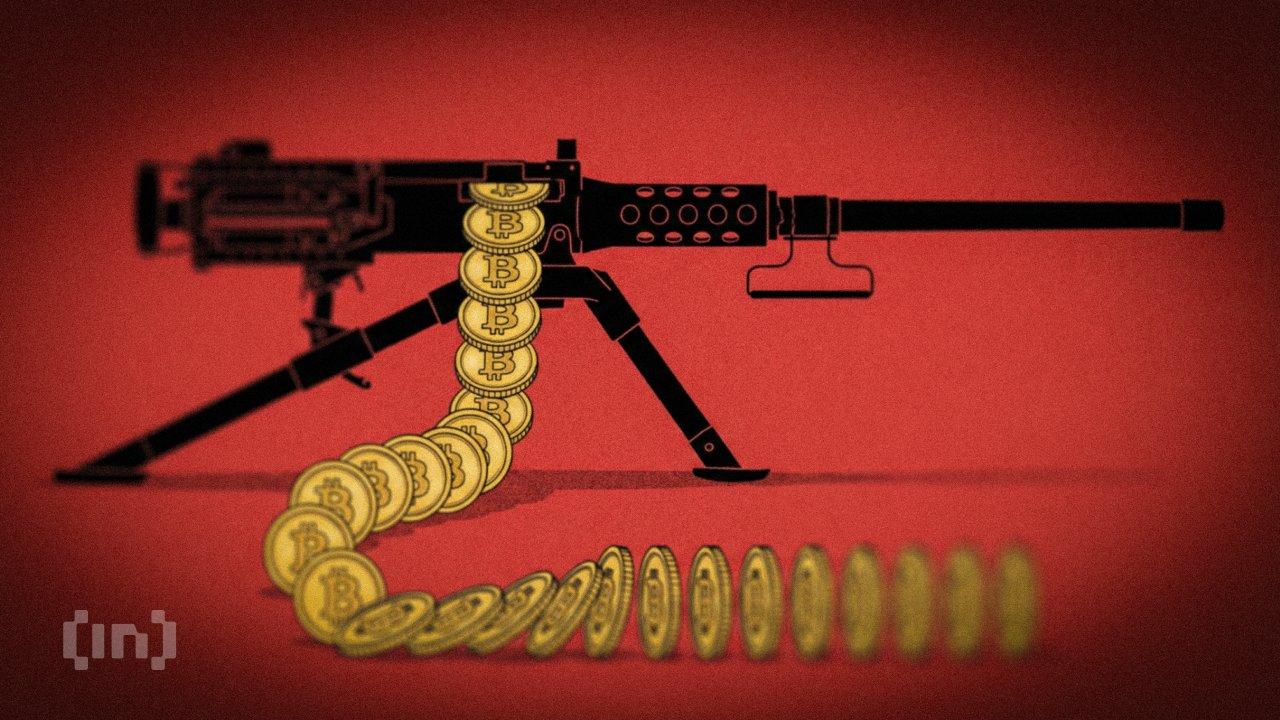
Israeli prosecutors have brought charges against Eli Lavon, a 21-year-old American citizen, for allegedly collaborating with Iranian intelligence in exchange for approximately $1,379 in cryptocurrency. This case illuminates the evolving tactics of Iran’s recruitment strategy, which seems to be transitioning into a gig economy model for espionage purposes.
A Shift in Espionage Tactics
According to prosecutors, Lavon stands out as the first American charged amid a broader investigation that has implicated at least 60 defendants in Israel since the beginning of 2023. Notably, these recruits appear to be motivated more by financial incentives than ideological beliefs.
The Recruitment Process
The details from Lavon's indictment reveal that he responded to a job advertisement on Telegram while visiting family in the United States in November 2025. Upon returning to Israel, he was assigned tasks by a handler associated with Iranian intelligence.
- Lavon allegedly recorded footage of an abandoned building and a grocery store in Jerusalem.
- He executed 'dead drops,' which included leaving a USB drive concealed within a 50 shekel banknote.
The payments he received in cryptocurrency were distributed in small increments, beginning with a few hundred dollars and then escalating to around $518 coming from a secondary handler. Despite the modest sum, the information he provided possessed significant military implications, as several locations documented by Lavon and other alleged recruits were subsequently targeted with missile strikes by Iran.
Legal Consequences and Broader Implications
Lavon was arrested on June 9 and faces charges that include two counts of communicating with a foreign agent and 14 counts related to sharing intelligence with an enemy state. Ronit Shentzer Yaakobi, representing the Jerusalem District Attorney’s Office, stated, "This indictment illustrates how foreign intelligence agencies attempt to exploit the digital sphere to identify, recruit, and operate individuals from within Israel…"
The shift from mere surveillance to more aggressive actions such as sabotage is also apparent. An online group known as HAYI, which emerged in March, has claimed responsibility for 17 incidents of arson and sabotage across seven European nations. Investigations suggest that this group could be a “fabricated front” managed by operatives linked to Iran, utilizing paid and disposable recruits.
In the UK alone, law enforcement has detained at least 28 individuals relating to the attacks in London. The recruiting model mirrors gig work trends, where assignments are dispatched via consumer apps and payment is rendered per task. By employing paid intermediaries, the connection to state planners is obscured, changing the dynamics of traditional terrorism financing.