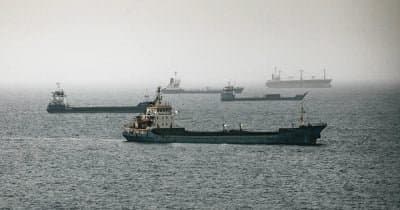
The recent military escalation in the Strait of Hormuz comes with an unusual twist: Iran is reportedly asking for Bitcoin as a passage fee for commercial ships, charging around $1 per barrel of oil. This key waterway is crucial, handling nearly one-third of the world's seaborne oil trade, making this new payment method particularly noteworthy.
US Central Command has publicly accused Iran of not only targeting seven commercial vessels but also launching missiles and drones against neighboring Persian Gulf nations. This situation escalated sharply in early July 2026, when CENTCOM conducted multiple strikes on Iranian military infrastructure in response to Iranian assaults on commercial ships, including a Cyprus-flagged container ship that sustained fire damage.
Iran's demand for Bitcoin for transit through the strait is significant. The country is under heavy international sanctions, which restrict its access to traditional banking systems. By accepting Bitcoin, Tehran circumvents these financial barriers, which could reshape how maritime transactions are conducted in this critical region. Furthermore, this move turns a geopolitical chokepoint into a means of promoting cryptocurrency adoption.
As the situation develops, Bitcoin's value remains relatively stable, trading around $63,800 amidst the tensions. However, if this trend continues, it may prompt regulatory scrutiny from Western governments, particularly regarding the implications of a state utilizing Bitcoin to exert control over shipping lanes. Such a precedent could lead to increased compliance measures and monitoring of cryptocurrency transactions, particularly as authorities focus on the potential for sanctions evasion.
This material is for informational purposes only and does not constitute financial advice.